

Volcanoes have shaped the African continent for millions of years — carving landscapes, creating fertile soil, and telling the hidden story of Earth’s geological heartbeat. Among these volcanic giants lies the Ethiopian Rift Valley, a region known for dramatic tectonic shifts and some of the most active volcanoes on the planet. Recently, the Ethiopian volcanic eruption captured global attention, raising questions about safety, climate impact, and the long-term future of communities living near the active rift.
Understanding the Ethiopian Volcanic Eruption
The Ethiopian volcanic eruption didn’t happen in isolation. Ethiopia sits on one of the most geologically active places on Earth — the Afar Triangle, where three tectonic plates are slowly drifting apart. This region is home to famous volcanoes like Erta Ale, Dabbahu, Nabro, and several lesser-known fissure systems.
Why Ethiopia Experiences Frequent Eruptions
The country lies on a triple junction, meaning:
• The Arabian Plate is moving away from the African continent.
• The Nubian Plate and Somali Plate are pulling apart beneath East Africa.
• The crust is thinning, causing magma to rise easily.
Think of it like a crack forming in a piece of bread while baking — the more it expands, the easier the inside pushes through.
How the Recent Eruption Happened
The eruption began after weeks of subtle warning signs:
• Small earthquakes rattling nearby areas
• Ground swelling detected through satellite imagery
• Increased heat signatures around volcanic vents
• Gas emissions rising steadily
Eventually, the pressure became too much, resulting in a fissure eruption, where magma escaped through long cracks instead of a single mountain peak.
This type of eruption is common in Ethiopia and Iceland — both regions famous for rift-valley volcanism.
Impact on Local Communities
Volcanic eruptions in Ethiopia don’t just reshape land — they reshape lives.
Ash Clouds and Daily Life
Ash can travel hundreds of kilometers, depending on wind conditions. In recent eruptions:
• Roads became slippery and unsafe
• Livestock suffered respiratory issues
• People were advised to stay indoors
• Water sources faced contamination risks
Imagine waking up to a thin blanket of gray dust covering everything — crops, cars, roofs, even cooking pots left outside. That’s the reality for many Ethiopian communities.
Health Concerns
Volcanic gases like sulfur dioxide can irritate the eyes, nose, and throat. Long-term exposure can worsen asthma and other breathing problems.
Humanitarian groups often distribute:
• N95 masks
• Clean water
• Temporary shelters for families displaced by lava or ash
Displacement and Economic Loss
Agricultural communities face the biggest damage:
• Farmland is temporarily destroyed
• Pastoral areas become unsafe
• Markets shut down
• Travel routes get blocked
But it’s important to remember: volcanic soil becomes extremely fertile after some time. Countries like Iceland and Japan have thrived on volcanic landscapes — and Ethiopia can too, with the right support and planning.
Environmental and Global Impact
The Ethiopian volcanic eruption isn’t just a local event — it has planetary consequences.
How Volcanic Eruptions Affect Climate
Large eruptions release aerosols that reflect sunlight, slightly cooling the Earth. While this eruption was not globally catastrophic, it contributed to:
• Temporary cooling around the region
• Beautiful red sunsets due to ash scattering sunlight
In the past, eruptions like Pinatubo (1991) reduced global temperatures by nearly 0.6°C. Ethiopia’s eruption is smaller, but still part of the larger climate puzzle.
Wildlife and Ecosystem Changes
Ash can enrich soil but can also:
• Disrupt grazing patterns
• Contaminate water for wildlife
• Affect bird migration
Yet many species return quickly. Nature has its own way of adapting faster than humans expect.
The Science Behind the Eruption
To truly understand the Ethiopian volcanic eruption, we must explore the science beneath it.
Rift Valley Volcanoes vs. Classic Cone Volcanoes
Most people imagine a volcano like Mount Fuji or Vesuvius. But Ethiopia’s volcanoes are different.
Classic Cone Volcano:
• Tall, steep
• Explosive eruptions
• Thick magma
Rift Valley Volcano:
• Flat, expansive
• Lava flows through cracks (fissures)
• Thinner, fast-moving lava
• Less violent, more widespread
This is why Ethiopian eruptions look more like glowing rivers of lava than massive explosions.
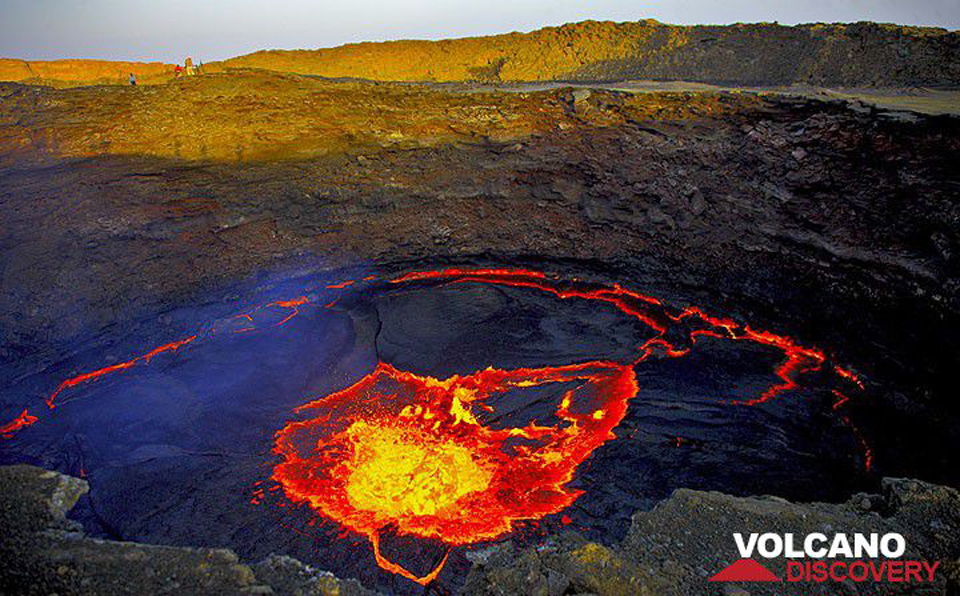
The Role of Erta Ale — The Fire Lake
Erta Ale’s lava lake — one of the few permanent lava lakes on Earth — provides clues about magma movement. Before major eruptions, the lake sometimes:
• Drops suddenly
• Overflows
• Develops cracks
• Changes color due to gas levels
Scientists use satellite images to track these changes.
Lessons from Past Ethiopian Eruptions
Ethiopia has seen several eruptions in recent decades, including:
• Erta Ale (2017): Lava flowed into new areas, destroying some settlements
• Nabro Volcano (2011): One of the largest East African eruptions in recent history
• Dabbahu (2005): A massive fissure opened, stretching over 60 km
Each eruption teaches scientists more about the tectonic evolution of Africa. The continent is literally splitting — slowly, but surely. One day, millions of years in the future, a new ocean will form where Ethiopia stands today.
How Ethiopia Prepares for Volcanic Disasters
Ethiopia, with limited resources, has impressively built early-warning systems.
Tools Used Today
• Seismic monitoring stations
• InSAR satellites
• Gas measurement devices
• Community response training
Local awareness plays a major role. Pastoral families often recognize early signs:
• Sudden animal restlessness
• Strange smells
• Small ground vibrations
Traditional knowledge + modern science = effective preparedness.
Ethiopian Volcanic Eruption — What the World Can Learn
Volcanic activity in Ethiopia highlights several global lessons:
1. Climate and Earth Are Always Changing
Human beings like stability. Earth does not.
2. Communities Near Volcanoes Need Long-Term Support
Emergency aid helps short-term, but long-term solutions include:
• Stronger housing
• Safer evacuation routes
• Educated local responders
3. Rift Volcanoes Predict the Future of Continents
Studying Ethiopia helps scientists understand:
• How continents split
• How oceans form
• How Earth evolves geologically
Ethiopia is essentially a living laboratory of plate tectonics.
FAQs
Q1: What caused the Ethiopian volcanic eruption?
The eruption occurred due to tectonic plates pulling apart in the Ethiopian Rift Valley, allowing magma to rise and escape through fissures.
Q2: Is the eruption dangerous to nearby cities?
Rural communities are more affected. Larger cities remain mostly safe, although ash clouds may impact travel.
Q3: How long will volcanic activity continue?
Rift systems erupt frequently; future eruptions are expected but can be monitored through early warning systems.
Q4: Can volcanic eruptions benefit Ethiopia?
Yes. Volcanic soil becomes extremely fertile, boosting agriculture in the long run.
Q5: Are eruptions in Ethiopia explosive?
Generally no. Ethiopian eruptions are mostly fissure-based, producing lava flows rather than violent explosions.
Conclusion
The Ethiopian volcanic eruption is a powerful reminder of Earth’s living, breathing nature. While the eruption brought challenges — from ash clouds to displacement — it also revealed the strength of local communities, the importance of scientific monitoring, and the resilience of the environment. Ethiopia’s unique volcanic landscape continues to shape not only its geography but also global scientific understanding.
Staying aware, educated, and prepared ensures that even in the face of nature’s most dramatic events, humanity can adapt and thrive.