

A Coordinated Push for De-escalation
The statement that China ready to cooperate with Russia to ease Middle East tension, foreign minister says signals a significant diplomatic development at a time of heightened geopolitical instability. With tensions escalating in the Gulf region and disruptions in critical shipping routes like the Strait of Hormuz, global powers are increasingly under pressure to act.
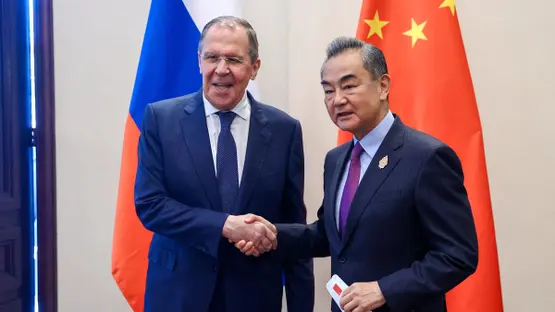
China’s Foreign Minister Wang Yi recently spoke with Russia’s Foreign Minister Sergei Lavrov, emphasizing the need for coordinated international efforts—particularly through the United Nations Security Council—to restore stability.
Here we break down what this cooperation means, why it matters globally, and how it could impact the Middle East, global energy markets, and international diplomacy.
What Did China and Russia Actually Say?
Key Highlights from the Diplomatic Call
During their phone conversation:
• Wang Yi expressed China’s willingness to work closely with Russia
• Both sides emphasized the need for an immediate ceasefire
• Focus was placed on resolving tensions through dialogue and political negotiation
• Cooperation at the United Nations Security Council was highlighted as essential
China reiterated its long-standing position:
Conflicts in global hotspots should be resolved through diplomacy, not military escalation.
Why the Strait of Hormuz Matters So Much?
A Critical Global Energy Lifeline
The Strait of Hormuz is one of the most important maritime chokepoints in the world.
Key Facts:
• Handles around 20% of global oil shipments
• Essential for energy exports from Gulf countries
• Disruptions can trigger global economic instability
Current Situation
Ongoing tensions have:
• Restricted commercial shipping
• Increased insurance and transport costs
• Raised fears of a broader regional conflict
China’s position is clear:
A ceasefire is the only sustainable solution to restore safe navigation.
What Is the Role of the United Nations Security Council?
Why UNSC Matters Here?
As permanent members of the United Nations Security Council, both China and Russia have:
• Veto power
• Influence over global peacekeeping decisions
• Responsibility to shape international responses
Upcoming Resolution
A resolution proposed by Bahrain aims to:
• Protect commercial shipping
• Ensure maritime security in the Gulf
• Reduce risks of escalation
China and Russia’s cooperation could significantly influence the outcome of this vote.
China and Russia: Why Are They Aligning?
Shared Strategic Interests
China and Russia often align on key global issues, especially when it comes to:
• Opposing unilateral military actions
• Promoting multipolar global governance
• Supporting diplomatic solutions
According to Russia’s Foreign Ministry, both countries expressed:
• “Satisfaction” with aligned positions
• Agreement on most global issues, including tensions involving Iran
A Unified Message
Both nations are pushing for:
• Immediate ceasefire
• Political-diplomatic dialogue
• Reduced Western military influence in the region
What’s Driving the Middle East Tensions?
Key Contributing Factors
The current crisis stems from:
• Military escalations involving Iran
• Actions linked to the United States and Israel
• Disruptions to shipping routes
• Rising geopolitical rivalries
Real-World Impact
• Oil prices fluctuate globally
• Supply chains face delays
• Regional instability increases
How China’s Approach Differs from Others?
China’s Diplomatic Strategy
China consistently advocates:
• Non-intervention
• Dialogue-based conflict resolution
• Economic stability through peace
Benefits of China-Russia Cooperation
Potential De-escalation
A unified stance increases pressure for:
• Ceasefire agreements
• Negotiation frameworks
Stability in Energy Markets
Reduced tension in the Strait of Hormuz can:
• Lower oil price volatility
• Restore supply chain confidence
Stronger Multilateral Diplomacy
Cooperation at the United Nations Security Council enhances:
• Global consensus
• Coordinated peace efforts
Challenges and Limitations
Political Differences
Not all global powers agree on:
• Causes of the conflict
• Appropriate solutions
Risk of Escalation
If ceasefire efforts fail:
• Conflict could widen
• Shipping disruptions could worsen
Implementation Gaps
Even if agreements are reached:
• Enforcement remains a challenge
• Regional actors may not comply
Common Misunderstandings About This Situation
“China and Russia control the outcome”
They influence decisions, but cannot fully control regional actors.
“A ceasefire solves everything”
It’s only the first step—long-term peace requires sustained diplomacy.
“This only affects the Middle East”
In reality, it impacts:
• Global oil prices
• International trade
• Economic stability worldwide
Actionable Insights: What Should You Watch Next?
Key Developments to Monitor
• Outcome of the United Nations Security Council vote
• Changes in shipping activity in the Strait of Hormuz
• Statements from global powers
For Businesses
• Track oil price trends
• Prepare for supply chain disruptions
• Diversify logistics routes if possible
For General Readers
• Follow verified international news
• Understand how global events affect local economies
FAQs (People Also Ask)
Why is China cooperating with Russia on Middle East tensions?
To promote a ceasefire and diplomatic resolution through international platforms like the UNSC.
What is the significance of the Strait of Hormuz?
It is a critical global oil shipping route, and disruptions can impact energy prices worldwide.
What role does the UN Security Council play?
It helps coordinate international responses, pass resolutions, and promote peacekeeping efforts.
What is China’s stance on the conflict?
China supports dialogue, negotiation, and immediate ceasefire instead of military escalation.
How does this affect global oil prices?
Tensions in the Gulf can reduce supply, causing oil prices to rise.
What is the proposed Bahrain resolution about?
It aims to protect commercial shipping and ensure maritime security in the region.
Can this cooperation lead to peace?
It can help initiate dialogue, but long-term peace requires broader international and regional cooperation.
Conclusion: A Crucial Moment for Global Diplomacy
The development that China ready to cooperate with Russia to ease Middle East tension, foreign minister says highlights a critical moment in international relations. As tensions continue to disrupt global trade and energy flows, coordinated diplomatic efforts are more important than ever.
China and Russia’s alignment at the United Nations Security Council could play a key role in pushing for a ceasefire and initiating meaningful dialogue. However, the path to lasting peace remains complex and uncertain.
What’s Next?
• Watch for UNSC decisions
• Monitor regional developments
• Stay informed on global economic impacts
In an interconnected world, developments in the Middle East are no longer regional—they are truly global.