


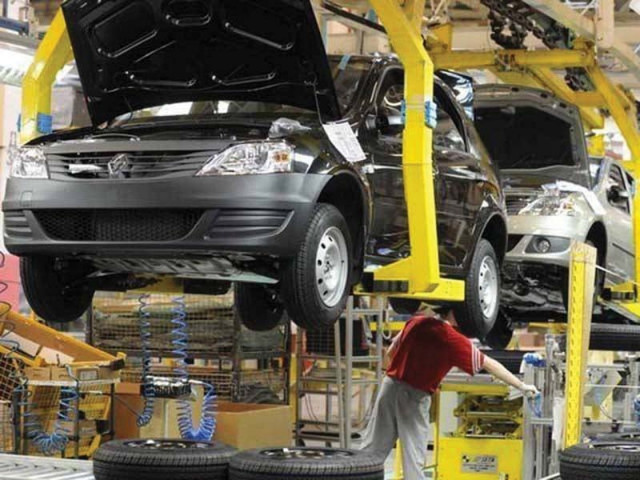
Pakistan has taken another significant step toward modernizing its automotive industry after a high-level meeting chaired by Deputy Prime Minister and Foreign Minister Senator Mohammad Ishaq Dar. The meeting focused on reviewing the country’s auto and auto parts policy, with special attention given to accelerating the transition toward electric vehicles (EVs).
A major outcome of the meeting was the decision to establish a committee constituted to finalise draft auto policy recommendations after consultation with all stakeholders. The move reflects the government’s intention to create a competitive, innovative, and sustainable automotive ecosystem capable of supporting economic growth, industrial development, employment generation, and environmental sustainability.
As global automotive markets rapidly shift toward cleaner transportation technologies, Pakistan’s policy review comes at a crucial time for the country’s industrial future.
Why the Committee Constituted to Finalise Draft Auto Policy Matters?
The automotive industry plays a vital role in Pakistan’s economy. It contributes to manufacturing output, creates jobs, supports small and medium-sized enterprises, and stimulates investment across multiple sectors.
However, the global industry is undergoingw a major transformation. Electric vehicles, smart mobility solutions, and green manufacturing are becoming central to future transportation systems. Countries that fail to adapt risk losing competitiveness.
The decision to constitute a subcommittee demonstrates the government’s recognition that Pakistan needs a modern auto policy that can:
- Encourage investment
- Support local manufacturing
- Increase exports
- Generate skilled employment
- Promote electric vehicle adoption
- Reduce environmental impact
- Strengthen industrial competitiveness
By involving stakeholders from both government and industry, policymakers aim to develop a balanced and practical framework that supports long-term growth.
High-Level Meeting Focused on Automotive Transformation
The meeting chaired by Senator Mohammad Ishaq Dar brought together key decision-makers from various ministries and government institutions.
Key Participants Included
The high-level meeting was chaired by Mohammad Ishaq Dar and brought together senior government officials, policymakers, economists, and industry experts to discuss the future of Pakistan’s automotive sector. Participants included the ministers for power, petroleum, and climate change, along with the adviser to the prime minister on industries and production. The meeting was also attended by ministers of state for finance and railways, Special Assistant to the Prime Minister Tariq Bajwa, and the secretaries of commerce, industries and production, and petroleum. In addition, the national coordinator of the National Command and Operation Centre, senior officials from relevant ministries, and leading policy experts and economists participated in the discussions. Their presence highlighted the government’s commitment to developing a comprehensive and well-informed auto policy that supports industrial growth, electric vehicle adoption, employment generation, and environmental sustainability.
What Is the Government Trying to Achieve?
During the meeting, Senator Ishaq Dar emphasized the need to develop a competitive, innovative, and sustainable automotive ecosystem.
Core Objectives of the New Auto Policy
Strengthening Industrial Capacity
Pakistan’s automotive industry has significant growth potential. A modern policy framework could encourage manufacturers to expand production facilities, improve technology adoption, and increase local value addition.
Creating Skilled Employment
The transition toward advanced vehicle technologies, especially EVs, requires a skilled workforce.
Potential job opportunities include:
- EV manufacturing
- Battery assembly
- Charging infrastructure development
- Automotive software engineering
- Vehicle maintenance and diagnostics
- Supply chain management
These sectors can generate thousands of new jobs for skilled workers.
Promoting Sustainable Transportation
Transportation contributes significantly to carbon emissions worldwide.
By encouraging EV adoption, Pakistan can:
- Reduce fuel consumption
- Lower emissions
- Improve air quality
- Reduce dependence on imported petroleum products
This aligns with broader climate change mitigation objectives.
Enhancing Export Potential
A stronger automotive sector can become a source of export revenue.
Countries that develop competitive auto parts industries often benefit from:
- Foreign exchange earnings
- Technology transfer
- Increased foreign investment
- Integration into global supply chains
Why Electric Vehicles Are Central to the Draft Auto Policy?
One of the most important aspects discussed during the meeting was accelerating Pakistan’s transition toward electric vehicles.
Growing Global Shift Toward EVs
The automotive industry is experiencing one of the largest transformations in its history.
Governments around the world are introducing incentives for EV adoption because electric vehicles offer several advantages:
Benefits of EV Adoption
- Lower operating costs
- Reduced greenhouse gas emissions
- Improved energy efficiency
- Less dependence on fossil fuels
- Quieter transportation systems
For Pakistan, EV adoption also presents an opportunity to modernize manufacturing and attract investment in emerging technologies.
Measures Discussed During the Meeting
Participants received briefings on several initiatives designed to support automotive sector growth.
Promoting EV Adoption
Policy incentives may encourage consumers and businesses to transition toward electric mobility solutions.
Supporting Domestic Manufacturing
Local production remains a priority.
Potential benefits include:
- Increased industrial output
- Reduced import dependency
- Technology development
- Enhanced competitiveness
Facilitating Industry Growth
Supportive government policies can create a more favorable business environment by reducing barriers to investment and encouraging innovation.
Expanding Employment Opportunities
Automotive growth can stimulate demand for engineers, technicians, manufacturing specialists, and supply chain professionals.
Increasing Exports
A stronger auto parts sector could position Pakistan as a regional manufacturing hub.
Climate Change Mitigation
Cleaner transportation technologies contribute directly to national sustainability goals.
What Role Will the Newly Constituted Subcommittee Play?
The most important outcome of the meeting was the formation of a subcommittee tasked with reviewing the draft auto policy.
Key Responsibilities
The subcommittee will:
Review Existing Draft Proposals
Experts will evaluate current policy recommendations to ensure they meet economic and industrial objectives.
Consult All Stakeholders
A consultative approach helps gather feedback from:
- Automotive manufacturers
- Auto parts suppliers
- Investors
- Industry associations
- Government agencies
- Environmental experts
Identify Practical Solutions
Policies are most effective when they balance industry needs with regulatory goals.
The committee is expected to recommend measures that are realistic, implementable, and aligned with market realities.
Finalize Recommendations
After stakeholder consultations, the committee will submit final recommendations for consideration by policymakers.
Potential Benefits of the New Auto Policy
If implemented effectively, the revised auto policy could deliver substantial benefits.
Economic Benefits
Increased Investment
A predictable policy environment often attracts local and foreign investors.
Industrial Expansion
Manufacturers may be encouraged to increase production capacity.
Export Growth
Enhanced competitiveness can open access to international markets.
Environmental Benefits
Lower Carbon Emissions
Electric vehicles can significantly reduce transportation-related emissions.
Improved Air Quality
Reduced reliance on conventional vehicles contributes to cleaner urban environments.
Sustainable Development
Green transportation supports Pakistan’s long-term environmental commitments.
Social Benefits
Job Creation
New industries associated with EVs can generate employment opportunities.
Skills Development
Workers can gain expertise in advanced automotive technologies.
Technology Advancement
Modern manufacturing processes encourage innovation and knowledge transfer.
Challenges That Policymakers Must Address
While the opportunities are substantial, several challenges remain.
Infrastructure Development
EV adoption requires widespread charging infrastructure.
Affordability
Electric vehicles must become accessible to average consumers.
Industry Readiness
Manufacturers need time and support to adapt to new technologies.
Energy Capacity
Growing EV adoption will increase electricity demand, making energy planning critical.
Addressing these issues will be essential for successful implementation.
Best Practices for Building a Successful Automotive Ecosystem
To maximize policy effectiveness, experts often recommend:
- Long-term policy consistency
- Industry-wide stakeholder engagement
- Investment-friendly regulations
- Local manufacturing incentives
- Workforce development programs
- Public-private partnerships
- EV charging infrastructure expansion
These measures can help Pakistan build a competitive automotive sector capable of thriving in the global market.
Frequently Asked Questions (FAQs)
Why was a committee constituted to finalise draft auto policy?
The committee was established to review the draft auto policy, consult stakeholders, and finalize recommendations that support industry growth, EV adoption, employment generation, and sustainability.
What was the main focus of the high-level meeting?
The meeting focused on reviewing the auto and auto parts policy, particularly measures aimed at accelerating Pakistan’s transition toward electric vehicles.
How will the policy support electric vehicles?
The policy is expected to include measures that encourage EV adoption, strengthen domestic manufacturing, and support the development of a sustainable automotive ecosystem.
What economic benefits can the new policy bring?
Potential benefits include increased investment, industrial growth, job creation, export expansion, and enhanced competitiveness.
Who attended the policy review meeting?
The meeting included federal ministers, senior government officials, economists, policy experts, and representatives from key ministries.
Why is stakeholder consultation important?
Consultation ensures that policy recommendations are practical, balanced, and aligned with industry realities and national development goals.
How can the automotive sector contribute to climate goals?
By promoting electric vehicles and cleaner technologies, the sector can help reduce emissions and support environmental sustainability efforts.
Conclusion
The decision to establish a committee constituted to finalise draft auto policy marks an important step in shaping the future of Pakistan’s automotive industry. With a strong focus on electric vehicles, industrial development, job creation, exports, and environmental sustainability, the government’s consultative approach signals a commitment to building a modern and competitive automotive ecosystem.
As the newly formed subcommittee engages stakeholders and finalizes its recommendations, industry participants, investors, and consumers will be closely watching the outcome. If implemented effectively, the revised policy has the potential to transform Pakistan’s automotive landscape, strengthen economic growth, and position the country for success in the rapidly evolving global mobility sector.