


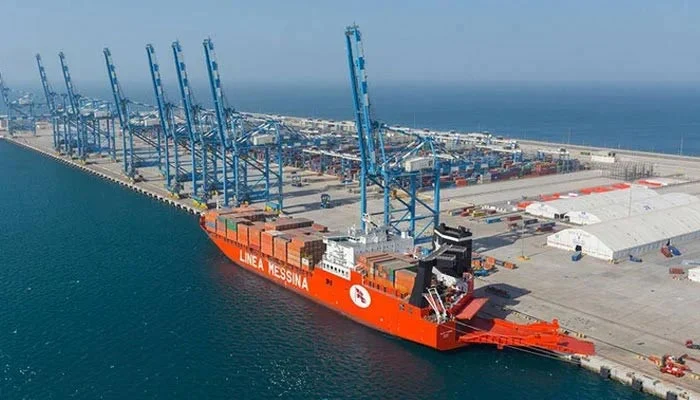
Pakistan plans major tariff cuts at Gwadar Port as part of a broader strategy to transform the deep-sea port into a major regional logistics and trade hub. The government believes that reducing port charges and operational costs will attract more international shipping companies, increase cargo movement, and stimulate economic growth across Balochistan and the wider country.
The announcement was made by Maritime Affairs Minister Junaid Anwar Chaudhry, who revealed a series of incentives aimed at making Gwadar Port more competitive compared to regional ports in the Middle East and South Asia.
The new tariff structure includes major reductions in berthing charges, transit container fees, and trans-shipment costs. Industry experts see the move as a practical step toward unlocking Gwadar’s long-discussed commercial potential.
Why Pakistan Is Reducing Tariffs at Gwadar Port?
Government Push to Increase Trade Activity
Gwadar Port has long been viewed as one of Pakistan’s most strategically important infrastructure projects. Located along the Arabian Sea, the port offers direct access to international shipping routes and is considered a key component of regional trade connectivity.
However, despite its strategic location, Gwadar has struggled to attract large-scale shipping traffic due to operational challenges, limited commercial activity, and competition from established regional ports.
To address these issues, the government has introduced aggressive tariff reductions designed to lower the cost of doing business at the port.
According to the Maritime Affairs Ministry, the new incentives aim to:
- Increase international transit cargo
- Promote trans-shipment business
- Reduce logistics costs for shipping companies
- Improve port competitiveness
- Create employment opportunities in Balochistan
- Encourage long-term investment in logistics infrastructure
What Tariff Cuts Were Announced at Gwadar Port?
The government introduced several major reductions in port-related charges.
Key Tariff Reductions
- 25% reduction in berthing charges for container vessels
- 40% cut in port charges for international trans-shipment containers
- Up to 31% reduction in port charges for transit container cargo
- One-month free storage facility introduced for general cargo
- Special relief package announced for vessels carrying transit and trans-shipment cargo
- Reduced operational costs expected for international shipping lines
- New incentives designed to attract higher cargo traffic at Gwadar Port
These incentives are expected to significantly reduce operational expenses for shipping lines using Gwadar Port.
Free Storage Facility Introduced
One of the most notable announcements is the introduction of a one-month free storage facility for general cargo. This move could benefit importers, exporters, and logistics operators by reducing warehousing and storage costs.
For businesses handling bulk shipments, storage fees often become a major operational expense. Offering free storage provides Gwadar with an important competitive advantage.
How Will the Tariff Cuts Benefit Shipping Companies?
Lower Operational Costs
Shipping companies constantly compare port costs before choosing transit routes. High berthing charges, handling fees, and storage costs can make ports less attractive.
By reducing tariffs, Pakistan is attempting to position Gwadar as a cost-effective alternative for international cargo movement.
The revised pricing structure could help shipping companies:
- Save money on vessel docking
- Reduce container handling expenses
- Improve profit margins
- Shorten cargo processing times
- Explore new regional trade routes
Minister Junaid Anwar Chaudhry stated that the incentives offered at Gwadar are now among the most attractive available at any national port in Pakistan.
Why Gwadar Port Matters for Pakistan’s Economy?
Strategic Location Along Global Shipping Routes
Gwadar Port sits near some of the world’s busiest maritime trade lanes. Its location allows access to the Middle East, Central Asia, China, and Africa.
This geographical advantage makes the port highly valuable for:
- International trade
- Regional transit cargo
- Energy transportation
- Import-export operations
- Logistics and warehousing businesses
The government hopes the tariff cuts will encourage more shipping companies to use Gwadar as a transit and trans-shipment center.
Connection With Regional Trade Corridors
Gwadar is also closely linked with regional connectivity projects and economic corridors. Increased activity at the port could strengthen Pakistan’s position in international trade networks.
If cargo traffic rises significantly, the port may become a major logistics gateway for regional markets.
Economic Impact of Gwadar Tariff Reductions
Potential Job Creation in Balochistan
Increased cargo handling and logistics activity could generate employment opportunities across multiple sectors.
According to Gwadar Port Chairman Noorul Haq Baloch, the revised tariff structure is expected to support economic growth and create jobs throughout Balochistan.
Potential employment areas include:
- Shipping operations
- Customs clearance
- Transport services
- Warehousing
- Freight forwarding
- Port management
- Construction and infrastructure
For a region that has long faced economic challenges, higher commercial activity at Gwadar could provide meaningful long-term benefits.
Can Gwadar Compete With Regional ports?
While tariff reductions are an important step, experts believe pricing alone may not be enough to transform Gwadar into a major global shipping hub.
Challenges Still Remain
Several challenges still need attention, including:
Infrastructure Development
Road networks, rail connectivity, and industrial infrastructure require further improvement to support large-scale trade operations.
Security Concerns
International shipping companies prioritize stable and secure operating environments before committing to long-term routes.
Customs and Operational Efficiency
Fast customs clearance and efficient cargo handling are essential for attracting global logistics operators.
Investor Confidence
Consistent policies and long-term planning are necessary to build trust among international businesses.
Pros and Cons of Pakistan’s Gwadar Port Tariff Cuts
Advantages
Increased Trade Volume
Lower tariffs can attract additional cargo traffic and shipping activity.
Better Regional Competitiveness
Gwadar may become more attractive compared to other regional ports.
Economic Growth
Higher port activity can stimulate local businesses and create jobs.
Lower Logistics Costs
Shipping companies and traders may reduce overall transportation expenses.
Possible Risks
Revenue Pressure
Reduced tariffs could initially lower government port revenues.
Infrastructure Burden
Higher cargo volumes may strain existing facilities if expansion does not keep pace.
Dependence on Foreign Trade
Global economic slowdowns could affect expected traffic growth.
What Businesses Can Learn From This Development?
Opportunities for Logistics and Trade Companies
Businesses involved in import-export operations should closely monitor developments at Gwadar Port.
Potential opportunities include:
- Establishing warehousing facilities
- Expanding freight operations
- Investing in logistics partnerships
- Exploring regional trade routes
- Reducing shipping costs through Gwadar transit
Companies that move early may benefit from lower operational expenses and growing market demand.
Common Mistakes Businesses Should Avoid
Ignoring Infrastructure Readiness
Businesses should evaluate transportation and storage infrastructure before shifting operations to Gwadar.
Overlooking Customs Procedures
Understanding customs documentation and regulatory requirements remains essential for smooth cargo handling.
Assuming Immediate Results
Port transformation takes time. Companies should approach Gwadar as a long-term strategic opportunity rather than expecting overnight changes.
What Happens Next for Gwadar Port?
The tariff cuts signal that Pakistan is serious about increasing Gwadar’s commercial relevance. However, the success of the initiative will depend on implementation, infrastructure upgrades, investor confidence, and sustained shipping activity.
If the government continues improving logistics systems and trade facilitation measures, Gwadar could gradually emerge as a stronger regional trade gateway.
Industry observers will now watch whether international shipping lines respond positively to the reduced charges and begin increasing operations at the port.
FAQs About Pakistan Plans Major Tariff Cuts at Gwadar Port
Why is Pakistan reducing tariffs at Gwadar Port?
Pakistan aims to attract more international shipping traffic, reduce logistics costs, and promote Gwadar as a regional trade hub.
What tariff cuts were announced?
The government announced:
- 25% reduction in berthing charges
- 40% cut in trans-shipment container charges
- Up to 31% reduction in transit cargo charges
- One month free storage for general cargo
How will shipping companies benefit?
Shipping companies may experience lower operational costs, reduced container handling expenses, and improved trade efficiency.
Will Gwadar Port create jobs?
Yes. Increased cargo handling and logistics operations could create employment opportunities in shipping, transport, warehousing, and trade sectors.
Can Gwadar compete with other regional ports?
Gwadar has strategic potential, but continued investment in infrastructure, security, and operational efficiency is necessary for long-term competitiveness.
Why is Gwadar Port strategically important?
Its location near international shipping lanes gives Pakistan direct access to regional and global trade routes.
How could tariff cuts impact Pakistan’s economy?
Higher trade activity could stimulate economic growth, attract investment, improve logistics infrastructure, and support regional development.
Conclusion
Pakistan plans major tariff cuts at Gwadar Port in a significant effort to boost trade activity, lower shipping costs, and strengthen the country’s logistics sector. The government’s decision to reduce berthing charges, transit fees, and trans-shipment costs reflects a broader strategy to transform Gwadar into a competitive regional maritime hub.
The initiative has the potential to increase cargo movement, attract international shipping companies, and generate new economic opportunities in Balochistan. While challenges related to infrastructure and operational efficiency still exist, the revised tariff structure marks an important step toward unlocking Gwadar Port’s commercial potential.
For shipping companies, logistics operators, and investors, Gwadar may now offer a more attractive and cost-effective gateway for regional trade expansion.