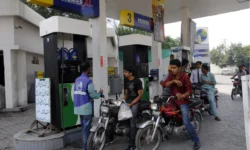


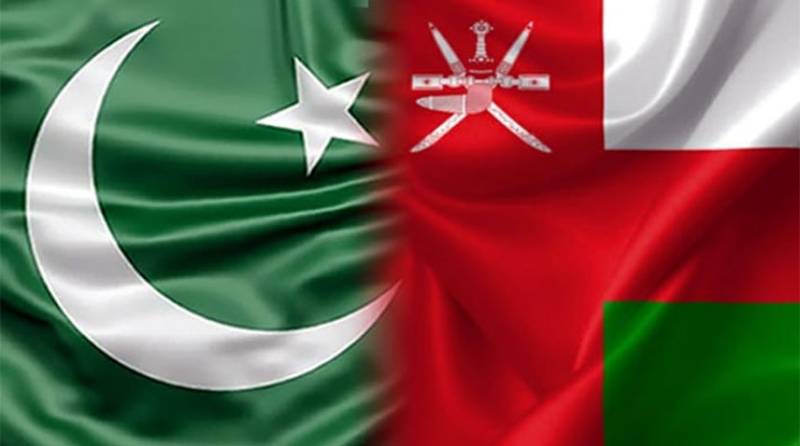
The announcement that Pakistan, Oman agree to expand energy cooperation marks an important step in strengthening regional ties and addressing growing energy demands. For a country like Pakistan—facing persistent energy shortages—this partnership could be a turning point. For Oman, it opens new avenues for investment, trade, and long-term strategic influence in South Asia.
But what does this agreement really involve? And more importantly, how will it impact businesses, consumers, and the broader energy landscape?
This in-depth guide breaks down the key aspects, real-world implications, and future outlook of this growing partnership.
What Does “Pakistan, Oman Agree to Expand Energy Cooperation” Mean?
At its core, this agreement focuses on enhancing collaboration in energy production, supply, and infrastructure development.
Key Areas of Cooperation
• Liquefied Natural Gas (LNG) supply
• Oil trade and storage
• Renewable energy projects
• Investment in energy infrastructure
• Technical collaboration and expertise exchange
This is not just a symbolic agreement—it reflects a practical strategy to improve energy security and economic growth for both countries.
Latest Development: Pakistan and Oman Strengthen Energy Ties
In a recent development, Pakistan and Oman agree to expand energy cooperation further, especially in response to shifting regional dynamics and growing energy needs.
This understanding emerged during a high-level meeting between Ali Pervaiz Malik and Fahad bin Suleiman bin Khalaf Al Kharousi. The discussion focused on evolving energy trends in the region and practical ways to deepen bilateral collaboration.
Strengthening a Historically Strong Relationship
During the meeting, the petroleum minister emphasized that ties between Pakistan and Oman are built on:
• Shared history
• Mutual respect
• Deep-rooted people-to-people connections
He reaffirmed Pakistan’s intention to expand partnerships in the energy sector while actively exploring new areas of cooperation.
How Pakistan Is Diversifying Its Energy Strategy?
A key highlight of the discussion was Pakistan’s ongoing effort to diversify its energy imports and ensure a more stable supply chain.
The minister explained that:
• Pakistan is actively seeking alternative energy sources
• New supply routes are being evaluated beyond the Strait of Hormuz, given current regional uncertainties
This reflects a strategic shift aimed at reducing risks linked to geopolitical disruptions.
Oman’s Response and Support
The Omani ambassador welcomed Pakistan’s proactive approach and reiterated Oman’s readiness to:
• Support Pakistan’s energy needs
• Play a constructive role in strengthening energy security
In addition, Pakistan requested priority access to energy cargo shipments to meet rising domestic demand. The ambassador responded positively, assuring that the request would be reviewed with serious consideration.
Growing Energy Trade Between Pakistan and Oman
Recent trade activity highlights the growing cooperation:
• Pakistan imported three petrol cargoes and one diesel shipment from Oman in March
• Two more petrol shipments are expected within the same month
This steady flow of energy supplies demonstrates practical progress beyond policy discussions.
Expanding Cooperation in Oil and Gas Exploration
Beyond fuel imports, both sides also explored opportunities in the upstream energy sector, including:
• Oil exploration
• Gas production
• Joint ventures in energy development
Notably, ongoing discussions between Pakistan State Oil and Oman Trading International were highlighted. These talks focus on securing additional oil cargo supplies and strengthening long-term trade relations.
A Shared Vision for the Future
The meeting concluded with both countries reaffirming their commitment to:
• Deepen energy cooperation
• Strengthen strategic and economic ties
• Work together for mutual long-term benefits
This development reinforces the broader narrative that Pakistan and Oman agree to expand energy cooperation not just as a policy statement, but as a practical, evolving partnership with real economic impact.
Real-World Example: How This Could Help Industries?
Imagine a textile factory in Faisalabad:
Before:
• Frequent power outages
• High fuel costs
• Reduced production
After Cooperation:
• Stable energy supply
• Lower operational costs
• Increased exports
This is how energy agreements translate into real economic impact.
Pros and Cons of the Agreement
Pros
• Improved energy security
• Stronger bilateral relations
• Economic growth opportunities
• Diversification of energy sources
Cons
• Dependence on imports continues
• Infrastructure costs may be high
• Policy execution risks
Common Mistakes in Energy Agreements (and How to Avoid Them)
Over-reliance on One Partner
Solution: Maintain diversified energy sources
Poor Infrastructure Planning
Solution: Invest in storage and distribution systems
Short-Term Thinking
Solution: Focus on long-term sustainability
Best Practices for Successful Energy Cooperation
• Develop transparent agreements
• Ensure regulatory stability
• Invest in renewable energy alongside fossil fuels
• Encourage private sector participation
What Does This Mean for Businesses and Consumers?
For Businesses
• Lower energy costs
• Increased production capacity
• Better planning due to reliable supply
For Consumers
• Fewer power outages
• Potentially stable electricity prices
• Improved quality of life
Future Outlook: What’s Next?
The agreement signals a broader trend:
• Regional energy partnerships are increasing
• Countries are prioritizing energy security
• Renewable energy will play a bigger role
If implemented effectively, this cooperation could:
• Transform Pakistan’s energy sector
• Strengthen Oman’s global energy position
FAQs (People Also Ask)
Why did Pakistan and Oman agree to expand energy cooperation?
To improve energy security, diversify supply sources, and strengthen economic ties.
What type of energy is included in the agreement?
LNG, oil, and renewable energy projects.
How will this affect electricity prices in Pakistan?
It may help stabilize prices by ensuring a consistent energy supply.
Is this agreement long-term?
Yes, most energy cooperation agreements are designed for long-term benefits.
Will renewable energy be part of this partnership?
Yes, both countries are exploring solar and wind energy collaboration.
How does this benefit Oman?
It expands export markets and creates investment opportunities.
What challenges could arise?
Infrastructure costs, policy delays, and global energy price fluctuations.
Conclusion
The development that Pakistan, Oman agree to expand energy cooperation is more than just a diplomatic headline—it’s a strategic move with far-reaching implications. From improving Pakistan’s energy reliability to boosting Oman’s economic reach, the benefits are substantial.
However, success depends on execution, long-term planning, and balanced energy policies.
Key Takeaways:
• The agreement strengthens energy security
• It opens doors for investment and innovation
• It supports both economic and industrial growth
Next Step:
Stay informed about policy developments and energy trends—because decisions made today will shape the region’s energy future for decades.