

The way people pay utility bills in Pakistan is evolving rapidly. Electricity bills now payable online via QR code is no longer just an idea—it’s a reality being implemented to simplify everyday transactions.
The Peshawar Electric Supply Company (PESCO) has taken a significant step by introducing QR codes on electricity bills. This initiative allows consumers to pay their bills instantly using mobile banking apps or digital wallets, without standing in long queues.
This move aligns with the government’s broader push toward a cashless economy, making financial transactions faster, safer, and more accessible.
What Does “Electricity Bills Now Payable Online via QR Code” Mean?
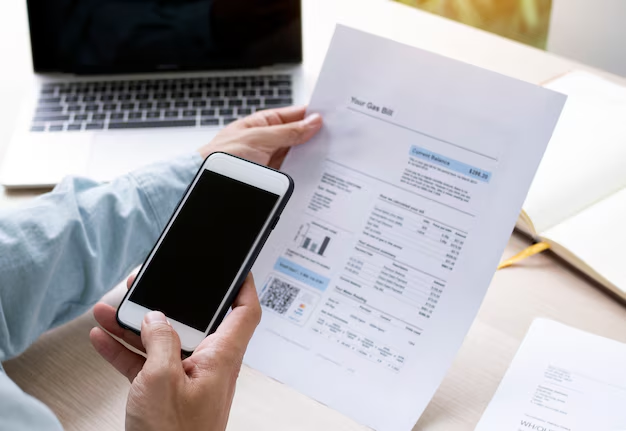
In simple terms, a QR (Quick Response) code printed on your electricity bill acts as a digital payment shortcut.
Instead of manually entering:
- Reference numbers
- Billing amounts
- Consumer IDs
You can now:
- Open your banking or wallet app
- Scan the QR code on your bill
- Confirm the payment
That’s it—your bill is paid within seconds.
Why Has PESCO Introduced QR Code Payments?
The introduction of QR codes by PESCO is part of a larger effort to modernize Pakistan’s payment ecosystem.
Key Objectives
- Enhance customer convenience
- Reduce manual errors in bill payments
- Encourage digital transactions
- Save time for consumers
- Support government’s cashless economy vision
This initiative also follows directives from Prime Minister Shehbaz Sharif, who emphasized digitizing payment systems across all government institutions.
How to Pay Electricity Bills Using QR Code? (Step-by-Step)
Here’s a simple guide anyone can follow—even beginners:
Step 1: Check Your Bill Details
Before scanning, verify:
- Your name
- Your address
- Billing amount
This ensures the payment goes to the correct account.
Step 2: Open Your Payment App
Use any of the following:
- Mobile banking app
- Digital wallet (like JazzCash or EasyPaisa)
Step 3: Select QR Payment Option
Look for options like:
- “Scan & Pay”
- “QR Payment”
Step 4: Scan the QR Code
Point your phone camera at the QR code printed on your bill.
Step 5: Confirm Payment
Double-check the details and tap “Confirm.”
What Role Does the Government Play in This Initiative?
This change is not isolated—it’s part of a nationwide strategy.
In March, Prime Minister Shehbaz Sharif directed all government institutions to include QR codes on bills to simplify payments for citizens.
Key Government Goals
- Promote digital financial inclusion
- Reduce dependency on cash
- Improve transparency in payments
- Integrate systems with RAAST digital payment platform
Understanding RAAST: Pakistan’s Digital Payment Backbone
The government is actively promoting RAAST, Pakistan’s instant payment system.
What RAAST Enables?
- Instant money transfers
- Salary and pension disbursements
- Vendor payments
- Government financial operations
Between July 2025 and January 2026, the government processed Rs. 1.6 trillion in payments through digital systems—showing rapid adoption.
Benefits of Paying Electricity Bills via QR Code
Convenience
No need to visit banks or payment centers.
Time-Saving
Pay your bill in under a minute.
Error Reduction
No manual entry = fewer mistakes.
Secure Transactions
Encrypted digital payments reduce fraud risks.
24/7 Availability
Pay anytime, even on holidays.
Real-World Example
Imagine receiving your monthly electricity bill late at night. Previously, you’d have to wait until the next day to visit a bank.
Now:
- Open your app
- Scan the QR code
- Pay instantly
This is especially useful for:
- Working professionals
- Elderly individuals
- People in remote areas
Pros and Cons of QR Code Bill Payments
Pros
- Fast and convenient—pay bills within seconds
- No need to visit banks or stand in queues
- Reduces manual entry errors (auto-filled details)
- Secure transactions via verified apps
- Available 24/7, including weekends and holidays
- Easy to use once familiar with the process
Cons
- Requires a smartphone and internet access
- May be difficult for users unfamiliar with digital apps
- Dependent on app performance and system uptime
- Risk of fraud if scanning unverified QR codes
- Limited awareness or adoption in some rural areaa
Common mistakes to avoid
Even though the system is simple, users should be cautious:
Mistake 1: Not Verifying Bill Details
Always confirm your name and address before scanning.
Mistake 2: Using Untrusted Apps
Stick to official banking or verified wallet apps.
Mistake 3: Ignoring Payment Confirmation
Always save or screenshot the payment receipt.
Mistake 4: Scanning Wrong QR Codes
Ensure the code is printed on your official bill.
Best Practices for Safe QR Payments
- Use secure internet connections
- Enable app notifications
- Keep your banking app updated
- Avoid scanning QR codes from unknown sources
- Maintain a record of transactions
How This Impacts Pakistan’s Economy?
The introduction of QR-based bill payments is more than just convenience—it’s a structural shift.
Economic Impact
- Encourages digital economy growth
- Improves financial transparency
- Reduces cash handling costs
- Supports financial inclusion
The success of initiatives like the Benazir Income Support Programme also highlights how digital systems can efficiently deliver financial aid to millions.
FAQs: Electricity Bills Now Payable Online via QR Code
What is a QR code on an electricity bill?
It’s a scannable code that allows you to pay your bill instantly using a mobile app.
Is QR code bill payment safe?
Yes, as long as you use trusted apps and verify bill details before payment.
Do I need internet to use QR payments?
Yes, an active internet connection is required.
Can I pay through any bank app?
Most major banking apps and digital wallets support QR payments.
What if I scan the wrong QR code?
Always verify details before confirming. If paid incorrectly, contact your bank immediately.
Are QR payments available nationwide?
The rollout has started with PESCO and is expected to expand nationwide.
Can I still pay bills traditionally?
Yes, traditional payment methods are still available.
Conclusion
The introduction of electricity bills now payable online via QR code marks a major step toward a smarter and more efficient payment system in Pakistan.
With initiatives led by PESCO and backed by government policies under Prime Minister Shehbaz Sharif, consumers now have a faster, safer, and more convenient way to manage their bills.
As digital platforms like RAAST continue to grow, adopting QR-based payments is not just beneficial—it’s becoming essential.
Next Step:
Check your next electricity bill, scan the QR code, and experience the simplicity of digital payments firsthand.