


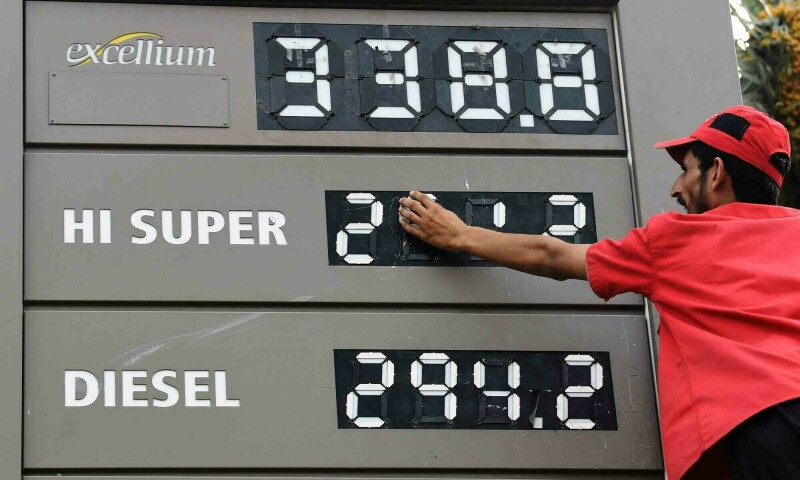
The possibility of a petrol price reduction from December 16 has sparked widespread interest across Pakistan. With inflation pressures still shaping household budgets and business costs, any cut in fuel prices can ripple through the economy. Reports suggest that petrol prices may fall substantially, while diesel is expected to see the largest reduction, a move that could directly affect transport, agriculture, and logistics nationwide.
In this detailed guide, we explain what is driving the expected petrol price reduction, why diesel could see a sharper drop, how fuel prices are determined in Pakistan, and what this may mean for consumers, businesses, and the broader economy.
Why Fuel Prices Matter So Much in Pakistan?
Fuel prices in Pakistan influence almost every aspect of daily life. From commuting and electricity generation to food prices and freight costs, petrol and diesel act as economic multipliers.
The most significant relief is expected in High-Speed Diesel (HSD) prices. According to industry estimates, diesel could see a reduction of around Rs 11.85 per litre, which would lower the price to nearly Rs 270.80 per litre. If implemented, this would mark one of the most notable diesel price cuts in recent months, offering direct relief to transporters, farmers, and commercial users who rely heavily on diesel fuel.
In addition to diesel, other petroleum products are also projected to become cheaper. Kerosene Oil prices are likely to fall by approximately Rs 11.70 per litre, while Light Diesel Oil (LDO) may witness a reduction of around Rs 10.10 per litre. Following these expected adjustments, the price of Kerosene Oil could settle near Rs 181.16 per litre, whereas Light Diesel Oil prices may drop to about Rs 153.76 per litre, providing further cost relief for households and small-scale users who depend on these fuels.
Key Areas Impacted by Fuel Prices
• Daily commuting and private transport
• Public transport fares
• Food supply chains and wholesale prices
• Agriculture and tube-well operations
• Industrial production and logistics
That is why news of a petrol price reduction tends to dominate public discussion.
Expected Petrol Price Reduction From December 16
Market assessments indicate that petrol prices may fall substantially from December 16, subject to final approval by the federal government. The expected cut is linked to recent movements in international oil prices and changes in import premiums.
Why December 16 Matters?
Pakistan revises fuel prices on a fortnightly basis, usually on the 1st and 16th of each month. The December 16 review is crucial because it reflects global oil trends from the previous two weeks.
If current projections hold, consumers could see noticeable relief at fuel stations across the country.
Diesel May See the Largest Reduction, Here Is Why?
While petrol is widely used by private vehicles, diesel is the backbone of Pakistan’s transport and agriculture sectors. According to projections, diesel prices may witness a larger reduction than petrol.
Reasons Diesel Prices Could Drop More
• Sharper decline in global diesel benchmarks
• Lower demand in international markets
• Adjustments in import costs and freight charges
• Government intent to ease transport inflation
A significant diesel price cut can have a stronger economic impact than petrol because diesel powers trucks, buses, trains, and farm machinery.
How Fuel Prices Are Determined in Pakistan?
Understanding the petrol price reduction requires knowing how prices are set.
Components of Fuel Pricing
• International oil prices
• Exchange rate fluctuations
• Inland freight equalization margin
• Petroleum levy
• Dealer and oil marketing company margins
Even if global oil prices fall, local prices depend heavily on taxes and the rupee-dollar exchange rate.
Global Oil Prices and Their Role
International oil prices have shown volatility in recent weeks due to multiple factors.
Global Factors Influencing Oil Prices
• Changes in global demand
• Supply decisions by major oil producers
• Geopolitical tensions
• Inventory levels in major economies
A softer global oil market often creates room for a petrol price reduction, provided local taxes remain unchanged.
Comparison With Previous Fuel Price Cuts
To put this possible reduction into perspective, it helps to look at past adjustments.
Historical Trends
• Small petrol cuts usually provide limited consumer relief
• Larger diesel reductions often lower transport costs within weeks
• Sustained reductions can slow inflation growth
If diesel indeed sees the largest reduction, the economic effect could be broader and longer-lasting.
Impact on Consumers
Private Vehicle Owners
A petrol price reduction means lower monthly fuel expenses, especially for urban commuters who rely on cars or motorcycles daily.
Public Transport Users
While petrol affects private vehicles more, diesel cuts can influence bus fares and intercity travel costs over time.
Impact on Agriculture and Rural Economy
Diesel is essential for tractors, harvesters, and tube wells. A reduction in diesel prices can directly benefit farmers.
Potential Benefits for Agriculture
• Lower cost of crop cultivation
• Reduced irrigation expenses
• Improved profit margins for farmers
This can help stabilize food prices, which are closely linked to fuel costs.
Impact on Businesses and Industry
Logistics and Transport
Diesel-powered trucks move goods across Pakistan. Lower diesel prices can reduce freight charges and improve supply chain efficiency.
Manufacturing Sector
Fuel is a major input cost for factories. Even modest reductions can help businesses manage operational expenses.
Government Perspective on Fuel Price Reduction
The government often balances fuel price relief with revenue needs.
Policy Considerations
• Petroleum levy collection
• Fiscal targets
• Inflation control
• Public sentiment
A substantial petrol price reduction signals an attempt to provide relief without compromising fiscal stability.
Will Fuel Prices Stay Low After December 16?
This is a key question for consumers and businesses.
Factors That Could Affect Future Prices
• Sudden rise in global oil prices
• Currency depreciation
• Changes in taxation policy
While a short-term petrol price reduction is possible, long-term stability depends on broader economic conditions.
What This Means for Inflation
Fuel prices are a major driver of inflation in Pakistan.
Inflationary Impact
• Lower fuel costs reduce transport expenses
• Food prices may stabilize
• Utility and service costs can ease
If diesel prices fall significantly, inflationary pressure could ease in the following weeks.
Expert Insight on Fuel Pricing
Energy analysts often point out that diesel reductions are more impactful than petrol cuts.
A reduction in diesel prices has a cascading effect across the economy, influencing transport, food, and industrial costs.
This is why expectations of a larger diesel cut are particularly noteworthy.
FAQs About Petrol Price Reduction
When will the new fuel prices be announced?
Fuel prices are typically announced late night on December 15, effective from December 16.
How much petrol price reduction is expected?
Exact figures are subject to final approval, but projections suggest a noticeable cut.
Why is diesel expected to see the largest reduction?
Global diesel prices have fallen more sharply than petrol benchmarks, creating room for a bigger adjustment.
Will CNG prices also decrease?
CNG prices depend on gas pricing mechanisms and may not move in direct proportion to petrol or diesel.
Can fuel prices rise again after this cut?
Yes. Fuel prices are reviewed fortnightly and depend on global and local factors.
What Consumers Should Do?
While price cuts are welcome, consumers should remain cautious.
Practical Tips
• Avoid panic buying before price announcements
• Monitor official notifications
• Adjust monthly budgets realistically
Fuel price movements can be unpredictable, so planning remains essential.
Conclusion: Relief on the Horizon, With Caution
The expectation that petrol prices may fall substantially from Dec 16, while diesel may see the largest reduction, offers hope for consumers and businesses alike. A meaningful petrol price reduction can ease household expenses, while a larger diesel cut could deliver broader economic relief by lowering transport and food costs.
However, fuel pricing remains sensitive to global oil markets, exchange rates, and government policy. While this potential reduction is positive news, sustained relief will depend on consistent economic management and stable global conditions.
For now, all eyes are on December 16.