


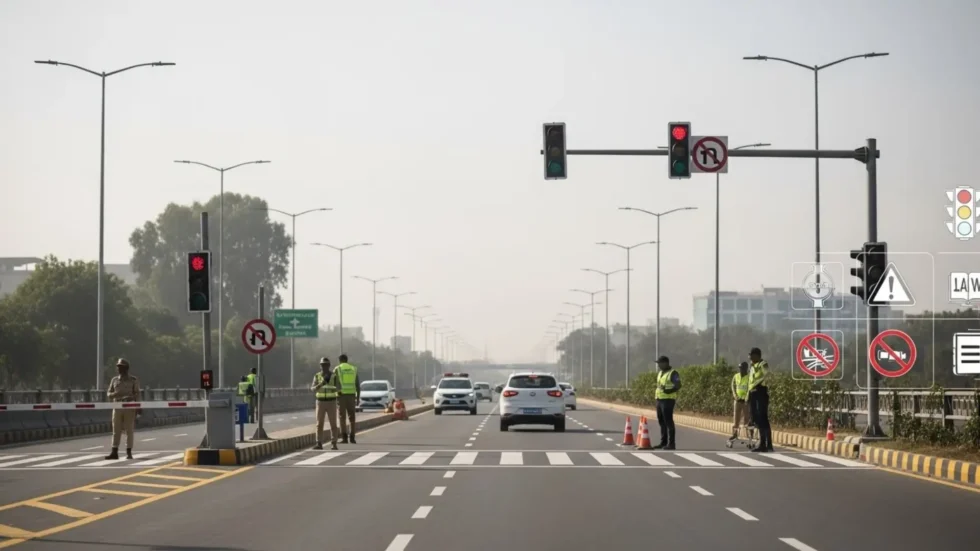
For the first time in six decades, Punjab has announced a sweeping set of traffic reforms designed to modernize road safety, improve public behavior, reduce accident rates, and restore discipline on the streets. The province, home to more than 127 million people, faces some of Pakistan’s busiest roads, highest traffic density, and rapidly growing urban movement.
That is why the announcement “Punjab introduces major traffic reforms after 60 years” is being celebrated as a monumental step toward reshaping how people drive, commute, and experience public roads.
These reforms come at a time when road accidents, underage driving, signal violations, and lawlessness on highways have reached alarming levels. With this new policy shift, Punjab aims to bring its traffic system closer to modern international standards.
Understanding Punjab’s New Traffic Reforms – Why 60 Years Later?
Punjab’s previous traffic laws were built on outdated structures inherited from the Motor Vehicle Ordinance of 1965. Over time, cities expanded, vehicles tripled, and road complexity increased, but the rules stayed largely the same.
As a result, the province needed reforms for:
• Handling modern vehicle technology
• Managing heavy traffic load
• Introducing digital licensing
• Regulating bike & car ownership
• Enforcing road discipline
• Improving public safety
The new system addresses long-standing issues such as reckless driving, outdated penalties, corruption loopholes, and absence of standardized road culture.
Key Traffic Reforms Introduced After 60 Years
Punjab’s reforms cover licensing, enforcement, penalties, education, digitalization, and road safety infrastructure. Below is a detailed breakdown of the biggest changes.
1. New Points-Based Driving License System
For the first time ever, Punjab has adopted an internationally recognized points-based penalty system. Drivers will now accumulate penalty points for violations such as:
• Over speeding
• Red-signal jumping
• Wrong-way driving
• Unlicensed driving
• Helmet or seatbelt violations
When points exceed the limit, the driver’s license will be:
• Suspended
• Cancelled
• Or made subject to mandatory training
This aligns Punjab with systems used in Europe, UAE, and Singapore.
2. Digital Driving Licenses & Online Verification
Punjab has launched smart digital licenses accessible through:
• Punjab Police App
• Driving License Information System (DLIMS)
• CNIC-linked verification portals
This reduces fraud and enables instant verification at checkpoints.
3. Strict Penalties for Underage Driving
This is one of the most necessary and widely supported reforms.
New penalties include:
• Heavy fines for parents/guardians
• Possible confiscation of vehicle
• Mandatory counseling for families
• School-based awareness drives
Punjab authorities reported thousands of accidents caused annually by underage drivers on motorbikes and cars. These reforms aim to stop this from the root.
4. Hefty Fines for Helmet & Seatbelt Violations
Helmet and seatbelt enforcement has long been ignored. With new fines:
• Riders without helmets
• Passengers without helmets
• Drivers without seatbelts
• Backseat passengers breaking safety rules
All will face strict penalties.
5. Crackdown on Signal Violators and Wrong-Way Drivers
Punjab has introduced:
• Automated cameras
• Smart signal systems
• Digital challans
• AI-based detection
Wrong-way driving has been declared a high-risk violation, with fines significantly increased.
6. Mandatory Driving Courses for License Renewal
Every 5 or 10 years (depending on license category), drivers must undergo:
• Refresher training
• Safety course
• Eye and hearing tests
This mirrors international standards used in Canada, UAE, and Japan.
7. Modern School Transport Safety Rules
To protect children, Punjab has introduced new rules for school vans:
• Mandatory seatbelts in vans
• Speed limiters
• Fitness certification
• Background checks for drivers
• Mandatory PSVs (Public Service Vehicle) compliance
This decision comes after multiple high-profile school transport accidents.
8. E-Challan Integration With CNIC & Vehicles
Traffic challans will now:
• Automatically sync with the violator’s CNIC
• Be visible in their digital profile
• Block vehicle token taxation until paid
This ensures accountability and ends the culture of ignoring challan slips.
9. Crackdown on Smoke-Emitting Vehicles
Pollution-causing vehicles, especially older buses and rickshaws, will undergo strict emissions checks.
Violators may face:
• Heavy fines
• Impounding
• Route-permit cancellation
Punjab aims to move toward a cleaner and healthier urban environment.
10. Improved Pedestrian Rights & Walkway Safety
New regulations require:
• Dedicated pedestrian crossings
• Smart zebra lights
• Heavier fines for blocking footpaths
• Education campaigns for pedestrian safety
This is a major shift, as pedestrian fatalities have been rising each year.
Why These Reforms Were Necessary – A Look Into Punjab’s Traffic Crisis
Punjab has some of the busiest roads in South Asia, but for decades, its system failed to evolve. Below are the reasons these reforms became urgent.
Rising Road Accidents
Statistics show:
• Thousands of deaths annually
• Underage bike riding as a leading cause
• Major injuries due to overspeeding
• Lack of road discipline
Reforms aim to save lives, not just issue fines.
Vehicle Population Tripled in 20 Years
Punjab’s roads now have:
• 35+ million registered vehicles
• 70 percent increase in motorbikes
• Rapid rise in ride-hailing services
Without reforms, traffic chaos would worsen.
Old Laws Could Not Handle Modern Roads
Outdated rules from the 1960s meant:
• No digital tracking
• No smart systems
• Weak penalties
• No driver education
This made the reforms essential.
Comparing Punjab’s Reforms With Global Standards
Punjab’s new system can now be compared with traffic frameworks in:
UAE (Dubai & Abu Dhabi)
• Points-based system
• Digital monitoring
• Automated fines
Europe
• Mandatory driving education
• Periodic testing
• Strict safety culture
Singapore & Japan
• Zero-tolerance for violations
• High fines for small offenses
Punjab has moved significantly closer to global norms, though full implementation will take time.
Expected Impact of Punjab’s New Traffic Reforms
Experts predict positive outcomes:
1. Improved Road Safety
With stricter rules and digital enforcement, accidents are expected to decline.
2. Reduction in Underage Driving
Family accountability will discourage parents from allowing minors to drive illegally.
3. Cleaner Cities
Emission crackdowns will help reduce air pollution.
4. Better Driving Culture
Training + fines + digital monitoring = discipline improvement.
5. Faster Traffic Flow
Fewer violators mean fewer road blockages, fewer collisions, and smoother urban movement.
Challenges Punjab May Face During Implementation
No reform is perfect. Punjab may face:
• Resistance from untrained drivers
• Lack of awareness in rural regions
• Pushback from transport mafias
• Need for additional digital infrastructure
• Coordination issues between agencies
However, authorities seem committed to long-term implementation.
FAQs – Punjab Introduces Major Traffic Reforms After 60 Years
Q1: What are the biggest changes in Punjab’s new traffic reforms?
Introduction of points-based licenses, heavy fines, digital challans, underage driving penalties, smart signals, and mandatory training.
Q2: Why did Punjab change traffic laws after 60 years?
Because the old traffic system became outdated and ineffective for modern roads and rising vehicle demand.
Q3: Will fines increase significantly?
Yes, penalties for major violations such as signal jumping, wrong-way driving, and overspeeding have been increased.
Q4: Are digital licenses mandatory now?
Yes, all new licenses will be smart digital licenses linked with CNIC.
Q5: Will these reforms reduce accidents?
Yes, global evidence shows stricter laws significantly reduce accidents.
Conclusion
The announcement that “Punjab introduces major traffic reforms after 60 years” marks a historic turning point for the province. These changes are not merely policy updates — they represent a long-awaited modernization of the entire traffic ecosystem.
By integrating digital systems, implementing stricter penalties, promoting road safety education, and aligning with international standards, Punjab is moving toward a safer, more disciplined, and more efficient traffic environment.
If implemented fully, these reforms could save thousands of lives, create smoother travel experiences, and transform the driving culture for generations to come.