


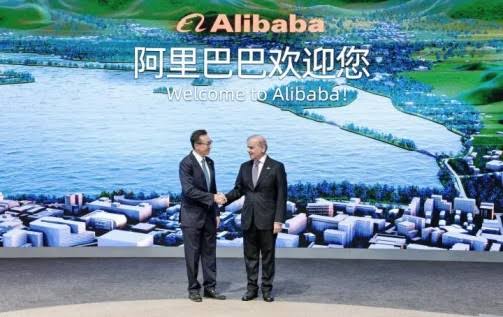
The launch of the SMEDA Alibaba MoU SME Training program marks a historic turning point for Pakistan’s growing digital economy. Under this two-year strategic initiative, the Small and Medium Enterprises Development Authority (SMEDA) has formally partnered with global e-commerce leader Alibaba. Together, they will deliver structured digital trade, export, and artificial intelligence skills training to 10,000 Pakistani small and medium-sized enterprises (SMEs). The primary objective is to empower local entrepreneurs, bridge the digital divide, and allow domestic businesses to sell their products directly in global e-commerce marketplaces.
The Critical Role of SMEs in Pakistan’s Economy
Small and medium enterprises represent the financial foundation of Pakistan. According to recent economic surveys and government data, small businesses account for more than 90% of all enterprises operating in the country. Furthermore, the SME sector generates nearly 40% of Pakistan’s total Gross Domestic Product (GDP) while employing an estimated 78% of the non-agricultural workforce.
However, despite their enormous contribution to employment and national productivity, Pakistani SMEs face severe structural hurdles. Access to formal banking credit remains extremely limited. A study published by the Competition Commission of Pakistan (CCP) highlighted that small businesses receive only 6% to 7% of total private-sector bank credit. This acute lack of working capital, combined with minimal exposure to cross-border digital platforms, has constrained local businesses to slow domestic growth.
Key Pillars of the SMEDA Alibaba MoU SME Training Initiative
To solve these systemic challenges, the SMEDA Alibaba MoU SME Training roadmap equips local manufacturers, traders, artisans, and wholesale suppliers with modern e-commerce capabilities. Over the course of 24 months, enrolled business owners will receive hands-on instruction covering three vital areas:
-
Digital Storefront Creation & Verification: Step-by-step guidance on creating, verifying, and managing international seller accounts on Alibaba’s global platform.
-
AI-Driven Cross-Border Marketing: Utilizing cutting-edge artificial intelligence tools for automated buyer communication, product listing optimization, visual branding, and targeted digital ads.
-
Export Compliance & Global Logistics: Understanding international trade regulations, customs clearance, foreign payment gateways, quality standards, and efficient shipping channels.
By shifting local businesses from traditional physical stores to verified online channels, this partnership opens direct trade routes to millions of wholesale buyers across North America, Europe, Asia, and the Middle East.
Aligning with PM Shehbaz Sharif’s Rs 2.2 Trillion SME Reform Package
The rollout of the SMEDA Alibaba MoU SME Training program is a core element of Prime Minister Shehbaz Sharif’s broader economic modernization plan. Recognizing that financial liquidity is necessary for digital transformation, the Prime Minister issued strict directives to financial regulatory bodies to double total SME credit from Rs 1.1 trillion to Rs 2.2 trillion by 2028.
To complement this massive increase in bank financing, SMEDA is undergoing an extensive operational upgrade to better serve the business community:
-
Nationwide Business Facilitation Hubs: Opening new regional SMEDA offices across major industrial districts to assist entrepreneurs with tax filing, loan applications, and business registration.
-
AI-Powered Multilingual Support Helpline: Deploying an interactive AI helpline to provide instant, automated business advice and loan eligibility answers in regional languages.
-
Upgraded Central Digital Portal: Redesigning SMEDA’s web infrastructure to allow seamless online registration for training programs, mentorship, and government incentives.
Sustainable Future for Pakistan’s Digital Trade
By combining expanded commercial bank lending with international e-commerce education through the SMEDA Alibaba MoU SME Training framework, Pakistan is building a resilient, export-oriented economy. Providing 10,000 small businesses with digital tools ensures sustainable job creation, boosts foreign exchange inflows, and positions Pakistani merchants at the forefront of global digital commerce.


