

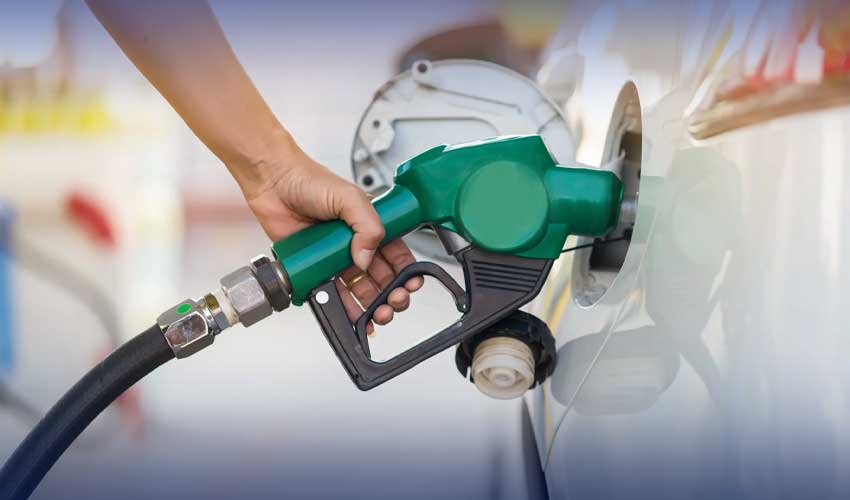
As Pakistan entered the New Year, the federal government introduced a relief measure aimed at easing financial pressure on citizens by announcing a reduction in petrol prices. The decision, officially notified by the Petroleum Division in Islamabad, has been described as a step to provide immediate economic relief to consumers amid persistent inflation and high living costs.
According to reports, the price of petrol has been reduced by Rs10.28 per litre, offering some respite to motorists and households alike. The revised prices came into effect from 12 midnight, signaling the government’s intent to start the New Year with consumer-friendly measures.
New Petrol and Diesel Prices Announced

Following the latest notification, the new petrol price has been fixed at Rs253.17 per litre, down from its previous level. Alongside petrol, the government also revised the price of high-speed diesel (HSD), another widely used fuel that plays a crucial role in transportation and industry.
The price of high-speed diesel has been reduced by Rs8.57 per litre, bringing the updated rate to Rs257.08 per litre. Diesel prices are particularly important as they directly affect freight transport, agricultural machinery, and public transportation systems across the country.
Officials confirmed that these revised fuel prices will remain valid for the next 15 days, in line with Pakistan’s standard fortnightly fuel price review mechanism.
Government’s Rationale Behind the Price Reduction
According to the Petroleum Division, the decision to lower fuel prices was made after carefully reviewing international oil prices and prevailing global market conditions. Officials emphasized that fluctuations in the global oil market continue to guide domestic fuel pricing decisions.
The government stated that its policy remains focused on passing on any possible relief to consumers whenever international price movements allow room for adjustments. Authorities also reiterated that petrol and diesel prices would continue to be reviewed periodically and revised based on international trends.
This approach reflects Pakistan’s reliance on imported petroleum products, making domestic fuel prices highly sensitive to global oil rates and exchange rate movements.
Impact of the Price Cut on the Public
The reduction in petrol and diesel prices is expected to bring short-term relief to various segments of society. Lower petrol prices may help reduce daily commuting costs for millions of motorbike riders, car owners, and ride-hailing users.
Similarly, a decrease in diesel prices could positively affect:
• Public transport fares
• Goods transportation costs
• Agricultural operations reliant on diesel-powered machinery
While the relief may appear modest, even small reductions in fuel prices often have a psychological and economic impact, especially at a time when inflation remains a major concern for Pakistani households.
Fortnightly Review System Explained
Pakistan follows a 15-day fuel price review cycle, during which the government evaluates international oil prices, freight costs, exchange rate movements, and taxation components before announcing revised rates.
Under this system:
• Prices can increase, decrease, or remain unchanged
• Adjustments are notified through official Petroleum Division notifications
• New prices take effect immediately after midnight on the announced date
The current reduction reflects the outcome of the latest review conducted at the end of December, just ahead of the New Year.
Pakistan Submits Five-Year Petroleum Levy Plan to IMF
In parallel with fuel price adjustments, Pakistan has also shared its long-term petroleum revenue strategy with the International Monetary Fund (IMF). On December 18, 2025, the government submitted detailed projections of petroleum development levy (PDL) collections for the next five years.
These projections are part of Pakistan’s broader fiscal planning and are closely linked to ongoing economic reform commitments under IMF-supported programs.
Petroleum Levy Collection Projections
According to documents submitted to the IMF, Pakistan expects petroleum levy collections to rise steadily over the coming years. The estimated figures are as follows:
• Current fiscal year: Rs1,468 billion
• Next fiscal year: Rs1,638 billion
• FY 2027–28: Rs1,787 billion
• FY 2028–29: Rs1,989 billion
• FY 2029–30: Rs2,212 billion
These projections highlight the government’s reliance on fuel-related taxes as a significant source of revenue, even as it navigates public pressure for lower petrol prices.
Historical Trends in Petroleum Levy Collections
The IMF report also included historical data to provide context for the projections. According to the figures:
• Petroleum levy collections stood at Rs1,220 billion in the previous fiscal year
• Collections were Rs1,019 billion in FY 2023–24
• In FY 2022–23, levy collections amounted to Rs580 billion
The steady increase over recent years reflects both higher fuel prices and an expansion in levy rates to meet fiscal requirements.
Current Petroleum Levy Rates
The submitted documents further detailed the existing levy structure applied to fuel prices:
• Petrol: Rs79.62 per litre
• High-speed diesel: Rs75.41 per litre
In addition to the petroleum development levy, a separate climate support levy has been introduced.
Climate Support Levy to Increase from July 2026
As part of Pakistan’s commitments to climate-related initiatives, the government plans to raise the climate support levy by Rs2.5 per litre, effective from July 1, 2026.
This levy will be applied separately to both petrol and diesel and is intended to support climate resilience and environmental programs. While the levy contributes to long-term sustainability goals, it also adds another layer to fuel pricing, influencing future rates.
Balancing Public Relief and Fiscal Responsibility
The government’s approach reflects a delicate balancing act between:
• Providing immediate relief to consumers
• Maintaining fiscal discipline
• Meeting IMF commitments
• Funding climate-related initiatives
While petrol price reductions are welcomed by the public, the growing reliance on petroleum levies underscores the challenge of reducing fuel prices sustainably without affecting government revenue.
Previous Fortnight Review: Mixed Adjustments
In the previous fuel price review, the government adopted a mixed approach. According to an earlier notification:
• Petrol prices were kept unchanged at Rs263.45 per litre
• High-speed diesel prices were reduced by Rs14 per litre, bringing the rate to Rs265.65 per litre
This decision highlighted the government’s selective adjustments based on fuel type and market dynamics, rather than uniform price changes across all petroleum products.
What Lies Ahead for Fuel Prices in Pakistan?
Fuel prices in Pakistan are expected to remain volatile, influenced by:
• Global oil price movements
• Exchange rate stability
• Domestic taxation policies
• IMF program conditions
While the New Year price reduction offers short-term relief, long-term trends suggest that fuel pricing will continue to be a sensitive and closely monitored issue.
FAQs:
1.Will petrol prices increase on January 01, 2026?
Prices will depend on global oil trends, exchange rates, and government decisions taken in late December 2025.
2.Are petrol prices announced in advance?
No. Prices are typically announced shortly before implementation.
3.Who decides petrol prices in Pakistan?
The federal government sets prices based on recommendations from oil regulators and economic authorities.
4.Can the government freeze petrol prices?
Yes, but it usually requires absorbing losses or reducing taxes.
5.How can households prepare?
Budget planning, fuel-efficient transport, and reduced consumption help manage impact.
Conclusion: A Timely Relief Amid Economic Pressures
The government’s decision to reduce petrol and diesel prices at the start of the New Year has provided welcome relief to consumers struggling with rising living costs. The move reflects responsiveness to international oil price trends while acknowledging public concerns.
However, alongside this relief, Pakistan’s growing petroleum levy projections and upcoming climate levies indicate that fuel prices will remain a key component of fiscal strategy. As global markets evolve and economic reforms continue, fuel pricing decisions will continue to shape household budgets, inflation trends, and overall economic stability in the months and years ahead.