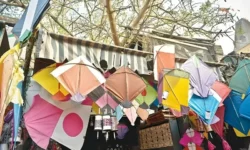



After years of debate, restrictions, and partial bans, the Govt announces SOPs for Basant 2026, signaling a structured and safety-first approach to reviving one of Pakistan’s most culturally rich festivals. Basant, traditionally celebrated with kite flying, music, and vibrant colors, holds deep roots in Punjab’s heritage—especially in Lahore.
However, due to past safety incidents, misuse of metallic kite strings, and public disorder, authorities have taken a cautious stance. The newly announced Standard Operating Procedures (SOPs) aim to strike a balance between cultural celebration and public safety, allowing citizens to enjoy Basant responsibly in 2026.
Here are the SOPs in detail, explores why they matter, compares them with previous years, and answers the most common questions people are asking.
According to an official notification issued by Deputy Commissioner Lahore, Syed Musa Raza, Basant celebrations will take place from February 6 to February 8 within the territorial limits of Lahore district. The notification clearly outlines comprehensive Standard Operating Procedures (SOPs) for all stakeholders, including the district administration, police, kite-flying associations, manufacturers, vendors, and the general public, with the primary objective of ensuring public safety and maintaining law and order throughout the festival period.
Under the newly approved SOPs, kite flying has been permitted on a conditional basis, subject to strict safety regulations. To effectively monitor and regulate the activity, the government has introduced a mandatory digital registration system through an e-Biz mobile application and an online portal. This registration requirement applies to all kite and kite-string manufacturers to ensure transparency and accountability in the supply chain.
The SOPs further allow registered vendors to sell kites and related accessories from February 1 to February 8. However, in a significant safety measure, the manufacture, sale, and possession of charkhis (kite string spools) have been completely prohibited to reduce the risk of misuse and accidents.
Only kite string made in the form of “panna” will be allowed for use during Basant. The use or sale of nylon, plastic, metallic wire, chemical-coated, sharp, or hazardous strings will be met with a zero-tolerance policy, with strict legal action against violators. Additionally, authorities have been directed to take immediate action against anyone using kites or strings exceeding the officially approved size limits. Police and district administration teams have been instructed to carry out intensive operations and inspections to eliminate the sale and distribution of banned kite strings and ensure full compliance with the SOPs.
Why the Government Issued SOPs for Basant 2026
The decision that the Govt announces SOPs for Basant 2026 comes after careful consideration of past experiences and public demand.
A History of Safety Concerns
In earlier years, Basant celebrations led to:
• Serious injuries caused by chemical and metallic kite strings
• Power outages due to tangled wires
• Accidents involving motorcyclists and pedestrians
• Law and order challenges in dense urban areas
These incidents forced authorities to impose bans rather than regulations. The new SOPs reflect a shift from blanket prohibition to controlled celebration.
Public Demand and Cultural Revival
Over time, civil society, cultural groups, and tourism bodies advocated for a regulated revival of Basant, arguing that:
• It is part of Punjab’s cultural identity
• It boosts local tourism and small businesses
• Proper rules can significantly reduce risks
The SOPs for 2026 attempt to address these concerns while prioritizing safety.
Key Highlights of Basant 2026 SOPs
The SOPs announced by the government cover multiple aspects of the festival, including kite flying, materials, public behavior, and enforcement.
Kite Flying Regulations
Under the new guidelines:
• Kite flying will be allowed only during designated hours
• Specific zones and rooftops will be approved for flying kites
• Rooftop overcrowding will be strictly prohibited
• Children must be supervised by adults
The aim is to prevent accidents caused by uncontrolled or night-time kite flying.
Ban on Hazardous Kite Strings and Materials
Strict Prohibition of Metallic and Chemical Strings
One of the most critical SOPs focuses on kite strings:
• Metallic, glass-coated, or chemical strings are strictly banned
• Only approved cotton thread (plain or lightly treated) will be allowed
• Sale, manufacture, or possession of banned strings will result in penalties
This addresses one of the deadliest aspects of past Basant celebrations.
Market Inspections and Vendor Licensing
To enforce compliance:
• Kite sellers must obtain temporary licenses
• Markets will be monitored by local authorities
• Confiscation and fines will apply for violations
This ensures accountability across the supply chain.
Public Safety and Law Enforcement Measures
Deployment of Police and Rescue Services
As the Govt announces SOPs for Basant 2026, special arrangements include:
• Increased police presence in urban areas
• Rescue and medical teams on standby
• Emergency helplines activated for festival days
This proactive approach aims to reduce response times during emergencies.
Use of Technology and Surveillance
Authorities plan to use:
• CCTV cameras in high-risk areas
• Drone surveillance in selected zones
• Real-time monitoring of crowded neighborhoods
These measures help ensure compliance and quick intervention if needed.
Restrictions on Celebrations and Public Conduct
Noise, Firearms, and Substance Control
The SOPs clearly prohibit:
• Aerial firing or use of firearms
• Loud music beyond permitted decibel levels
• Use of drugs or alcohol in public places
Violations may lead to arrests, fines, or cancellation of celebration permissions.
Rooftop and Building Safety Rules
To prevent structural accidents:
• No temporary structures on rooftops
• No gatherings exceeding safe capacity
• Mandatory barriers on open roofs
Property owners will be held responsible for violations.
Economic and Cultural Impact of Basant 2026
Boost for Local Economy
A regulated Basant can benefit:
• Kite makers and vendors
• Food stalls and local businesses
• Tourism and hospitality sector
Many small-scale workers rely on seasonal festivals like Basant for income.
Preserving Cultural Identity
By announcing SOPs instead of bans, the government acknowledges:
• The cultural significance of Basant
• The importance of community engagement
• The value of safe traditions for younger generations
Expert Insights on Basant SOPsUrban planners and safety experts believe:
• Regulation is more effective than prohibition
• Clear SOPs reduce ambiguity and misuse
• Community participation is key to success
Cultural historians also see this as a positive step toward reclaiming heritage responsibly.
Public Awareness and Responsibility
Role of Citizens
The success of Basant 2026 depends heavily on:
• Following SOPs strictly
• Reporting violations
• Educating children and neighbors
Authorities emphasize that safety is a shared responsibility.
Frequently Asked Questions (FAQs)
1.Is Basant officially allowed in 2026?
Yes, with conditions. The Govt announces SOPs for Basant 2026 to allow celebrations under strict safety guidelines.
2.Are metallic kite strings completely banned?
Yes. Possession, sale, or use of metallic or chemical strings is strictly prohibited.
3.Can kite flying happen at night?
No. Kite flying is restricted to approved daytime hours only.
4.What are the penalties for violating SOPs?
Penalties may include fines, arrests, confiscation of materials, and legal action.
5.Will Basant be celebrated nationwide?
Implementation may vary by province and city, depending on local administration approvals.
SEO Insight – Why This Topic Matters
Search interest in Govt announces SOPs for Basant 2026 reflects:
• Public curiosity about cultural events
• Safety concerns among families
• Economic interest from local businesses
Clear information helps reduce misinformation and panic.
Conclusion
The announcement that the Govt announces SOPs for Basant 2026 marks a significant shift in policy—from outright bans to responsible regulation. By prioritizing safety, accountability, and cultural preservation, the government aims to allow citizens to celebrate Basant without repeating the tragedies of the past.
If enforced effectively and followed sincerely, these SOPs could set a precedent for how traditional festivals are managed in modern urban environments. Basant 2026 now stands not just as a festival of colors and kites, but as a test of collective responsibility and cultural maturity.
With cooperation between authorities and citizens, Basant can once again become a joyful, safe, and meaningful celebration for all.