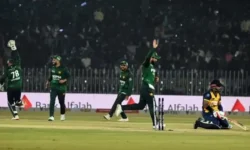



PCB to Run Multan Sultans Franchise for Next PSL Season
The Pakistan Cricket Board (PCB) is set to run the Multan Sultans franchise for the next PSL season, marking a significant and rare development in the history of the Pakistan Super League (PSL). This move has sparked widespread discussion among fans, analysts, and stakeholders, raising questions about franchise ownership models, league stability, and the future direction of PSL.
Here, we break down why the PCB is stepping in, what it means for Multan Sultans and the league, and how this decision could shape the next chapter of Pakistan’s premier T20 competition.
Understanding the Background of Multan Sultans Ownership
Multan Sultans joined the PSL later than the original five teams. While franchises like Lahore Qalandars and Karachi Kings were part of the league’s inaugural edition, Multan entered as an expansion team.
A Franchise with a Unique Journey
• Multan Sultans were introduced to broaden PSL’s reach in southern Punjab
• The franchise quickly built a competitive squad
• Won their maiden PSL title in 2021
• Became known for consistency and strong management
Despite on-field success, off-field challenges around franchise valuation, ownership obligations, and financial terms have periodically surfaced.
Why PCB to Run Multan Sultans Franchise for Next PSL Season?
The decision for PCB to run Multan Sultans franchise for next PSL season is primarily administrative and transitional rather than ideological.
Ownership Transition and Financial Considerations
Key reasons behind PCB’s temporary takeover include:
• Transition phase in franchise ownership
• Settlement of financial or contractual matters
• Ensuring league continuity without disruption
• Protecting PSL’s brand integrity
Rather than risk instability or last-minute uncertainty, PCB has opted to assume operational control for one season.
Not the First Time in PSL or Global Leagues
This is not the first time such a situation has occurred in the Pakistan Super League or in major cricket leagues around the world. In the early years of the PSL, the PCB itself played a central role in managing and stabilizing franchises while the league was still finding its commercial footing. Similarly, in global T20 leagues like the Indian Premier League, the BCCI has temporarily taken control of teams during ownership disputes or legal complications to ensure the tournament runs without disruption. In the Big Bash League, Cricket Australia follows an even more centralized model by owning and operating all franchises directly. These examples show that temporary administrative intervention by a governing body is a well-established practice, aimed not at undermining franchises but at safeguarding league continuity, commercial commitments, and competitive integrity.
What PCB Management Means for Multan Sultans?
Squad Stability and Player Contracts
One of the biggest concerns among fans is whether PCB-run management will affect:
• Player retention
• Draft strategies
• Coaching appointments
The PCB has clarified through league structures that:
• Player contracts remain valid
• Coaching staff continuity is expected
• Team branding stays unchanged
In short, Multan Sultans will operate as a normal PSL team, just under PCB supervision.
Cricketing Decisions vs Administrative Control
PCB’s role is expected to be largely administrative:
• Budget approvals
• Franchise operations
• Governance oversight
Cricketing decisions will still involve professional team management, ensuring performance standards remain high.
Impact on Pakistan Super League as a Whole
The announcement that PCB to run Multan Sultans franchise for next PSL season has broader implications for the league.
Positive Signals for League Stability
Rather than being a red flag, many experts see this as a stabilizing move:
• Prevents disruption to PSL schedule
• Maintains investor confidence
• Ensures all six teams participate seamlessly
It demonstrates PCB’s commitment to protecting PSL’s commercial and sporting value.
Commercial and Sponsorship Impact
Sponsors and broadcasters prioritize predictability. PCB’s involvement offers:
• Guaranteed compliance with league standards
• Reduced risk for commercial partners
• Centralized decision-making during transition
This could actually strengthen PSL’s commercial appeal in the short term.
Comparison with Other PSL Franchises
• Lahore Qalandars: Operate under stable private ownership with long-term investment in player development and data-driven team management.
• Karachi Kings: Owned by a major corporate group, offering strong commercial backing but with periodic on-field rebuilding phases.
• Peshawar Zalmi: One of the most consistently managed franchises, backed by private ownership and a clear long-term vision.
• Islamabad United: Corporate-owned with a strong focus on analytics, talent scouting, and sustainable team culture.
• Quetta Gladiators: Privately owned, known for early PSL success but facing recent performance and ownership-related challenges.
• Multan Sultans: Temporarily run by PCB for the next PSL season, ensuring administrative stability and continuity during an ownership transition, while maintaining normal team operations.
Fan Reactions and Public Sentiment
Mixed but Mostly Positive Response
Fans have reacted in three main ways:
• Optimistic: PCB ensures professionalism
• Curious: Waiting to see operational changes
• Concerned: Long-term ownership clarity
Social media discussions show that most fans care more about team performance than ownership structure.
What Happens After the Next PSL Season?
Likely Return to Private Ownership
PCB has no long-term intention to permanently own franchises. Possible outcomes include:
• New investors bidding for Multan Sultans
• Revised franchise valuation
• More sustainable ownership terms
This transitional year allows PCB to present Multan Sultans as a clean, stable, and attractive asset.
Opportunity to Strengthen PSL’s Franchise Model
This phase could lead to:
• Improved franchise agreements
• Clearer financial benchmarks
• Better dispute resolution mechanisms
In the long run, this benefits all PSL teams.
Expert Insights on PCB’s Decision
Cricket analysts and former administrators largely agree:
“Temporary PCB management is better than uncertainty. It protects players, fans, and the league.”
Key expert takeaways:
• Stability > ownership politics
• Player confidence remains intact
• PSL’s reputation is preserved internationally
Frequently Asked Questions (FAQs)
1.Why will PCB run Multan Sultans next season?
Because of ownership transition and administrative reasons, PCB will temporarily manage the franchise to ensure smooth PSL operations.
2.Will Multan Sultans still participate in PSL normally?
Yes. The team will compete as usual with no changes to fixtures, squad rules, or branding.
3. Does this affect player drafts or retention?
No. Player drafts, retentions, and contracts remain governed by PSL regulations.
4.Is PCB planning to permanently own Multan Sultans?
No. PCB’s role is temporary, aimed at facilitating a smooth transition to future ownership.
5.Has this happened in PSL before?
Not exactly in this form, but similar governance interventions have occurred in global leagues.
SEO Insights – Why This Topic Matters
Search interest around PCB to run Multan Sultans franchise for next PSL season reflects:
• Growing fan engagement with PSL governance
• Increased awareness of franchise economics
• Curiosity about PCB’s evolving role
This makes it a high-impact topic for cricket audiences and sports business readers alike.
Conclusion
The decision for PCB to run Multan Sultans franchise for next PSL season should be viewed as a strategic safeguard, not a crisis. It ensures continuity, protects the league’s credibility, and offers breathing space for long-term solutions.
Multan Sultans remain a competitive and popular team. Under PCB supervision, the franchise is expected to operate smoothly, maintain performance standards, and continue contributing to PSL’s success story.
For fans, the message is simple:
The game goes on, the team stays strong, and the league remains intact.
As PSL continues to mature, such transitional measures may well define its evolution into one of the world’s most resilient T20 leagues.