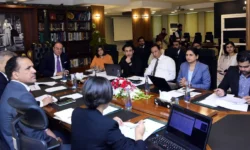



The announcement that Islamic Development to provide $475m to finance M-6 Sukkur–Hyderabad Motorway marks a major milestone for Pakistan’s transport infrastructure and economic integration. The financing support from the Islamic Development Bank (IsDB) underscores growing international confidence in Pakistan’s strategic connectivity projects and reflects a shared commitment to sustainable development, regional trade, and inclusive growth.
The M-6 Sukkur–Hyderabad Motorway is a critical missing link in Pakistan’s north–south motorway network. Once completed, it will connect interior Sindh with the national highway system, dramatically improving travel efficiency, freight movement, and access to markets.
Understanding the Strategic Importance of the M-6 Motorway
The Sukkur–Hyderabad Motorway (M-6) is envisioned as a high-speed, access-controlled motorway stretching across Sindh. It will link Sukkur in upper Sindh with Hyderabad in lower Sindh, integrating rural and industrial centers with ports and urban markets.
Why the M-6 Matters for Pakistan
• Completes the national motorway spine, connecting Karachi Port to northern Pakistan
• Reduces travel time and transportation costs for goods and passengers
• Enhances road safety through modern design and controlled access
• Stimulates regional development in historically underserved districts
In practical terms, a journey that once took several hours on congested highways will be significantly shortened, improving productivity for businesses and comfort for commuters.
Islamic Development Bank’s Role in Pakistan’s Infrastructure Growth
The Islamic Development Bank has been a long-standing development partner of Pakistan, supporting projects in transport, energy, health, water, and education. The decision that Islamic Development to provide $475m to finance M-6 Sukkur–Hyderabad Motorway reflects IsDB’s confidence in the project’s economic viability and development impact.
Why IsDB Financing Matters
• Shariah-compliant financing ensures ethical and sustainable investment
• Long-term funding horizons reduce fiscal pressure on the government
• Technical oversight and safeguards improve project governance
This financing model aligns infrastructure development with social and environmental responsibility—an increasingly important factor in global development finance.
Economic Impact: More Than Just a Road
The M-6 Motorway is not merely a transportation project; it is an economic corridor with far-reaching implications.
Boost to Trade and Logistics
Sindh is a major contributor to Pakistan’s agriculture and industrial output. Improved road connectivity will:
• Lower freight costs for agricultural produce
• Improve supply chain efficiency for manufacturing
• Enhance export competitiveness via faster access to ports
Example
A textile exporter in Sukkur will be able to transport goods to Karachi Port more quickly and reliably, reducing delays and inventory costs—an advantage in competitive global markets.
Employment Generation and Regional Development
Large-scale infrastructure projects typically create a ripple effect across the economy. The M-6 project is expected to:
• Generate thousands of direct jobs during construction
• Create indirect employment in services, logistics, and trade
• Encourage private investment along the motorway corridor
Rural Uplift
Communities along the route will benefit from:
• Improved access to markets, healthcare, and education
• Rising land values and commercial activity
• New service areas, logistics hubs, and industrial zones
This makes the project a catalyst for inclusive growth, particularly in rural Sindh.
Linking with National and Regional Connectivity Plans
The M-6 Sukkur–Hyderabad Motorway complements Pakistan’s broader infrastructure vision, including:
• National Highway Development Programme
• CPEC connectivity framework
• Regional trade corridors linking Central and South Asia
Comparison with Other Motorway Projects
Unlike earlier motorways concentrated in central and northern Pakistan, M-6 directly addresses the connectivity gap in Sindh, ensuring balanced regional development.
Fiscal and Macroeconomic Considerations
While large infrastructure investments require careful fiscal management, concessional and development-oriented financing from institutions like IsDB helps mitigate risks.
Key Macroeconomic Benefits
• Long-term productivity gains outweigh initial costs
• Reduced logistics expenses support price stability
• Improved infrastructure attracts foreign and domestic investment
The structured financing approach also ensures that Pakistan can pursue growth without excessive short-term fiscal strain.
Environmental and Social Safeguards
Modern motorway projects increasingly incorporate sustainability principles. IsDB-backed projects typically emphasize:
• Environmental impact assessments
• Resettlement and compensation frameworks
• Climate-resilient design standards
These measures ensure that development does not come at the expense of communities or ecosystems.
Expert Insights: Why the M-6 Is a Game Changer
Infrastructure experts often describe the M-6 as one of the most critical “missing links” in Pakistan’s road network.
Insight: Without seamless north–south connectivity, logistics inefficiencies persist. The M-6 bridges this gap, enabling Pakistan to leverage its geographic position as a regional trade hub.
Frequently Asked Questions (FAQs)
1.What is the total financing announced for the M-6 Motorway?
Islamic Development to provide $475 million to finance the Sukkur–Hyderabad Motorway.
2.Why is the M-6 Motorway important for Sindh?
It connects upper and lower Sindh, reduces travel time, boosts trade, and promotes regional development.
3.How does Islamic Development Bank financing differ from commercial loans?
IsDB financing is typically concessional, long-term, and Shariah-compliant, reducing fiscal pressure.
4.Will the motorway benefit ordinary citizens?
Yes. It improves road safety, creates jobs, lowers transport costs, and enhances access to services.
5.How does the project fit into Pakistan’s long-term development plans?
It aligns with national connectivity goals, CPEC-linked trade routes, and inclusive economic growth strategies.
Challenges and the Road Ahead
While the financing is a major breakthrough, timely execution remains critical. Key success factors include:
• Efficient project management
• Transparent procurement processes
• Strong coordination between federal and provincial authorities
Learning from past infrastructure experiences will be essential to ensure that the M-6 delivers on its promise.
Conclusion: Building Roads to Opportunity
The decision that Islamic Development to provide $475m to finance M-6 Sukkur–Hyderabad Motorway represents far more than a funding announcement. It is a vote of confidence in Pakistan’s infrastructure vision and a tangible step toward economic integration, regional equity, and sustainable growth.
Once completed, the M-6 Motorway will not only connect cities—it will connect people to opportunity, markets to producers, and Pakistan to a more competitive future. Through strategic partnerships, responsible financing, and focused execution, this project has the potential to redefine mobility and prosperity in Sindh and beyond.