


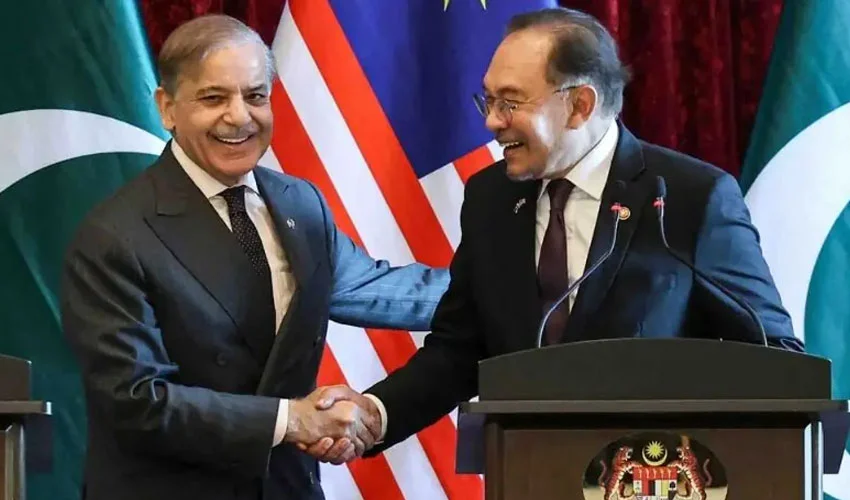
In a significant development for regional security and international maritime relations, Pakistan, Malaysia agree on enhanced maritime cooperation, marking a deepened strategic partnership between the South Asian and Southeast Asian nations. The agreement builds on longstanding diplomatic ties and highlights shared priorities in maritime security, naval collaboration, and economic connectivity in the Indo‑Pacific region.
Here we explore the scope, objectives, examples, expert insights, and broader implications of this cooperation, offering clarity on why this partnership matters for both countries and the wider region.
What Does “Enhanced Maritime Cooperation” Mean?
Enhanced maritime cooperation refers to a structured effort by Pakistan and Malaysia to jointly address shared challenges and opportunities in the maritime domain — from security and naval readiness to port connectivity and maritime training.
Key Pillars of Cooperation
• Maritime Security & Naval Operations: Focused dialogue between Pakistan Navy and Royal Malaysian Navy on regional challenges and coordinated responses.
• Capacity Building & Training: Plans for exchange of naval expertise and maritime workforce development.
• Hydrographic and Data Sharing: Strengthening institutional linkages between national hydrographic offices to enhance maritime safety.
• Trade and Port Connectivity: Proposals for direct feeder shipping lines and digital trade integration.
Historical Context of Pakistan–Malaysia Relations
Pakistan and Malaysia share a diplomatic relationship dating back to 1957, built on mutual respect, common values, strategic interests, and cooperation within international forums such as the Organisation of Islamic Cooperation (OIC) and Developing‑8 (D‑8). Recent years have seen enhanced engagements across defence, trade, aviation, and technology sectors, with agreements to promote balanced economic ties and institutional collaboration.
The agreement to enhance maritime cooperation stems from this broader context of strengthening bilateral ties and adapting to evolving geopolitical and security dynamics in the Indian Ocean and Southeast Asian maritime corridors.
Why This Maritime Partnership Matters?
The strategic importance of this cooperation spans multiple dimensions:
1. Regional Maritime Security
Both Pakistan and Malaysia recognize the growing complexity of maritime threats, including piracy, drug trafficking, illegal fishing, and territorial tensions. By collaborating more closely, their naval forces can synchronize patrols, share intelligence, and conduct joint operations aimed at safeguarding critical sea lanes.
This is particularly relevant in the Malacca Strait and adjacent waters — major arteries for global shipping where coordinated security efforts reduce risk and enhance stability.
2. Capacity Building: Training and Skill Development
A cornerstone of the cooperation involves maritime training exchanges, enabling cadets and officers from both countries to benefit from each other’s naval academies and educational programs. Such exchanges not only bolster human capital but also foster mutual understanding and interoperability.
This long‑term investment in people strengthens the professional capabilities of both navies and contributes to regional maritime resilience.
3. Port Connectivity and Trade Facilitation
In addition to military and security dimensions, Pakistan and Malaysia are exploring ways to improve port cooperation and trade logistics. One notable proposal is to establish direct feeder shipping lines linking Pakistani and Malaysian ports, which could significantly reduce transit times and freight costs, benefiting exporters and importers alike.
Enhanced connectivity can boost Pakistan’s access to Southeast Asian markets and vice versa, deepening commercial integration.
Examples of Cooperation in Action
Let’s look at some concrete examples of how this cooperation is unfolding:
⚓ Pakistan Navy’s Official Visit to Malaysia
Chief of Naval Staff Admiral Naveed Ashraf’s official visit to Malaysia underscored the commitment to naval diplomacy and strategic alignment. During this visit, both navies discussed operational collaboration, shared practices on maritime security, and explored data exchange mechanisms.
📚 Training and Hydrographic Exchange
Discussions with Malaysia’s National Hydrographic Centre highlighted opportunities to strengthen hydrographic research and data sharing — essential for safe navigation and maritime domain awareness.
🚢 Proposed Direct Shipping Routes
Pakistan’s Maritime Affairs Minister has proposed direct feeder lines, a logistics innovation that could shorten freight lead times and promote bilateral trade, particularly in agricultural and industrial goods.
Comparisons with Other Regional Maritime Partnerships
Pakistan–Malaysia vs. ASEAN Maritime Initiatives
Whereas ASEAN’s maritime collaborations involve multi‑nation frameworks like the Malacca Straits Patrol (MSP) and joint anti‑piracy mechanisms, the Pakistan–Malaysia cooperation is unique as a bilateral strategic partnership that integrates naval security with economic connectivity.
This individualized focus allows tailored responses to shared challenges without the formal constraints of larger multilateral institutions.
Pakistan–Malaysia vs. Pakistan–China Maritime Ties
Pakistan’s maritime cooperation with China — primarily through China‑Pakistan Economic Corridor (CPEC) and port development, particularly at Gwadar — is rooted in infrastructure and economic corridors. In contrast, the partnership with Malaysia emphasizes operational naval integration, training exchanges, and logistical integration.
Together, these diversified engagements enhance Pakistan’s maritime diplomacy across different strategic axes.
In‑Depth Insights: Benefits and Challenges
📈 Benefits
• Enhanced maritime security readiness
• Joint training and naval skill growth
• Expanded trade and connectivity
• Shared technological and operational capabilities
• Stronger diplomatic ties and soft power leverage
These factors make the partnership a significant asset for both countries in navigating complex geopolitical and economic waters.
⚠️ Challenges
• Budgetary and logistical hurdles in establishing direct shipping links
• Coordination complexities between naval institutions and civilian maritime authorities
• Balancing interests with other regional powers
Addressing these challenges will require sustained political will and strategic planning.
📌 FAQs About Pakistan–Malaysia Maritime Cooperation
Q1. What prompted this enhanced cooperation?
The agreement builds on mutual interests in regional stability, operational collaboration between navies, and economic connectivity through maritime routes.
Q2. Will this cooperation include joint naval exercises?
Yes — officials discussed frameworks for joint exercises, capacity building, and coordinated responses to maritime threats.
Q3. How will this impact Pakistan’s export potential?
Direct feeder shipping lines, if implemented, could reduce costs and transit times, potentially increasing Pakistan’s export competitiveness in Southeast Asian markets.
Q4. What role do training exchanges play?
Training exchanges enhance human resources, upgrade professional naval skills, and foster shared operational doctrines between the two countries.
Q5. Are there plans for technological collaboration?
Yes — discussions included data sharing, digital port integration, and enhanced hydrographic cooperation.
Conclusion: A New Chapter in Bilateral Maritime Relations
The agreement Pakistan, Malaysia agree on enhanced maritime cooperation reflects a forward‑looking strategy that goes beyond traditional diplomatic ties to encompass security, capacity building, and economic connectivity. As global maritime dynamics evolve with new security challenges and commercial opportunities, this partnership positions both nations to be collaborative leaders in the Indo‑Pacific maritime domain.
By blending naval diplomacy with trade facilitation and training exchanges, Pakistan and Malaysia are charting a course toward a stronger, more resilient maritime future — one that underscores shared values, mutual respect, and strategic foresight.