


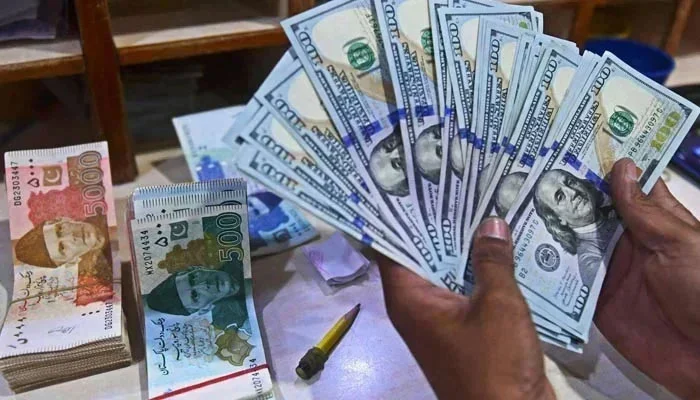
Pakistan’s remittances rise to $3.5bln in January 2026: SBP — a development that highlights the growing contribution of overseas Pakistanis to the country’s economy. According to data released by the State Bank of Pakistan (SBP) and reported by ARY News, remittance inflows recorded a 15.4 per cent increase year-on-year, offering much-needed relief to Pakistan’s external accounts and foreign exchange reserves.
This surge is not an isolated spike. It reflects a broader, sustained upward trend that has been building throughout the current financial year, underlining the resilience of remittance inflows despite global economic uncertainties.
In this detailed analysis, we break down the numbers, explore country-wise contributions, compare trends with previous periods, and assess what this means for Pakistan’s economy going forward.
Understanding the January 2026 Remittance Surge
In January 2026, Pakistan received $3.5 billion in remittances from overseas Pakistanis. This represents a 15.4 per cent increase compared to January 2025, when inflows were significantly lower.
Remittances are a critical pillar of Pakistan’s economy. They support household consumption, stabilize the rupee, improve the current account balance, and help meet external financing needs without increasing debt.
The January figures reaffirm the importance of overseas workers as a reliable economic backbone during periods of fiscal and macroeconomic pressure.
Seven-Month Performance: A Broader Positive Trend
Beyond the monthly snapshot, the SBP highlighted encouraging cumulative data for the ongoing fiscal year.
📊 Remittances in First Seven Months of FY2026
• Total remittances: $23.2 billion
• Growth rate: 11.3 per cent
• Same period last year: $20.9 billion
This sustained rise shows that the January performance was not an anomaly but part of a consistent upward trajectory driven by improved remittance channels, better compliance, and increased overseas employment.
Country-Wise Breakdown: Where the Money Came From
One of the most telling indicators of remittance health is the diversity and strength of source countries. In January 2026, inflows remained robust across major corridors.
🌍 Top Remittance Sources for Pakistan (January 2026)
Saudi Arabia — $739.6 million
Saudi Arabia remained Pakistan’s largest remittance source, reflecting the continued presence of millions of Pakistani workers in the Kingdom across construction, services, and industrial sectors.
United Arab Emirates — $694.2 million
The UAE followed closely, underlining strong labor market absorption and steady wage flows from Dubai, Abu Dhabi, and other emirates.
United Kingdom — $572.1 million
Remittances from the UK remained substantial, driven largely by settled diaspora communities and second-generation Pakistanis supporting families back home.
United States — $294.7 million
The US corridor continued to contribute significantly, supported by higher average incomes and formal banking transfers.
This geographic spread reduces dependence on a single market and strengthens remittance stability.
December 2025: A Record-Breaking Month
January’s strong performance followed an even more impressive showing in December 2025, which set a new benchmark.
According to Khurram Shehzad, Adviser to the Finance Minister:
• Remittances in December 2025 exceeded $3.6 billion
• 17% higher than December 2024
• 13% higher than November 2025
December’s record inflows were attributed to year-end transfers, improved banking channels, and confidence in formal remittance systems.
First Half of FY2026: Exceptional Growth
Looking at the bigger picture, Pakistan’s remittance performance during the first half of fiscal year 2026 has been especially notable.
• Total remittances: $19.7 billion
• Growth rate: 41 per cent year-on-year
This exceptional growth rate reflects a combination of policy reforms, stricter monitoring of informal channels, and increased use of digital and banking platforms.
Khurram Shehzad expressed confidence that total remittances for FY2026 could surpass $41 billion, a milestone that would significantly strengthen Pakistan’s external sector.
Why Are Remittances Rising? Key Drivers Explained
1. Shift from Informal to Formal Channels
Crackdowns on hundi and hawala systems, coupled with incentives for legal transfers, have redirected flows into official banking channels.
2. Digital Banking & Remittance Apps
Faster, cheaper, and more transparent digital transfer options have encouraged overseas Pakistanis to use formal systems.
3. Stable Exchange Rate Environment
Relative currency stability has reduced speculative behavior and encouraged timely remittance inflows.
4. Strong Overseas Employment
Labor demand in Gulf countries, the UK, and North America continues to support consistent income flows.
Economic Impact: Why Remittances Matter So Much?
Remittances play a multi-dimensional role in Pakistan’s economy:
• Support foreign exchange reserves
• Reduce current account deficit pressure
• Strengthen household purchasing power
• Stabilize the Pakistani rupee
• Reduce reliance on external borrowing
In periods of tight fiscal conditions, remittances act as a shock absorber — a role few other inflows can match.
Comparison: Remittances vs Other External Inflows
When compared with other external inflows, remittances stand out as the most stable and dependable source of foreign exchange for Pakistan. Unlike foreign loans, remittances do not create repayment obligations or add to external debt, making them a debt-free inflow that directly strengthens foreign exchange reserves. While exports are also non-debt creating, they are often vulnerable to global demand shocks and pricing fluctuations. Foreign direct investment, though valuable for long-term growth, tends to be volatile and sensitive to political and economic conditions. In contrast, remittances remain relatively resilient during economic downturns, providing consistent support to the balance of payments and household consumption.
Expert Insights: What This Signals for FY2026
Economists view the January 2026 data as a confidence booster:
• Sustained inflows reduce external financing stress
• Improved remittance transparency enhances macro credibility
• Higher inflows may ease pressure on interest rates and inflation
If current trends continue, Pakistan could enter FY2027 with a stronger balance-of-payments position than seen in recent years.
FAQs: Pakistan’s Remittance Growth Explained
Q1: Why did remittances increase in January 2026?
Due to higher overseas employment, better formal channels, and continued trust in banking systems.
Q2: Which country sent the most remittances?
Saudi Arabia topped the list with $739.6 million.
Q3: How much did remittances grow year-on-year in January?
They increased by 15.4 per cent compared to January 2025.
Q4: What is the remittance outlook for FY2026?
Officials expect total remittances to exceed $41 billion if current trends hold.
Q5: Why are remittances important for Pakistan’s economy?
They support foreign reserves, stabilize the currency, and boost household incomes without adding debt.
Key Takeaways at a Glance
• Pakistan’s remittances rise to $3.5bln in January 2026: SBP confirms
• 15.4% year-on-year growth in January
• $23.2bn received in first seven months of FY2026
• Saudi Arabia and UAE remain top contributors
• FY2026 remittances projected to cross $41bn
Conclusion: A Strong Start to 2026 for Pakistan’s Economy
The news that Pakistan’s remittances rise to $3.5bln in January 2026: SBP is more than just a positive headline — it’s a powerful indicator of economic resilience. Backed by consistent growth, diversified source countries, and supportive policy measures, remittances are once again proving to be Pakistan’s most reliable external inflow.
As the fiscal year progresses, sustaining this momentum will be crucial. If achieved, remittances could play a decisive role in stabilizing Pakistan’s economy and strengthening confidence at home and abroad.