

A Major Relief Amid Rising Costs
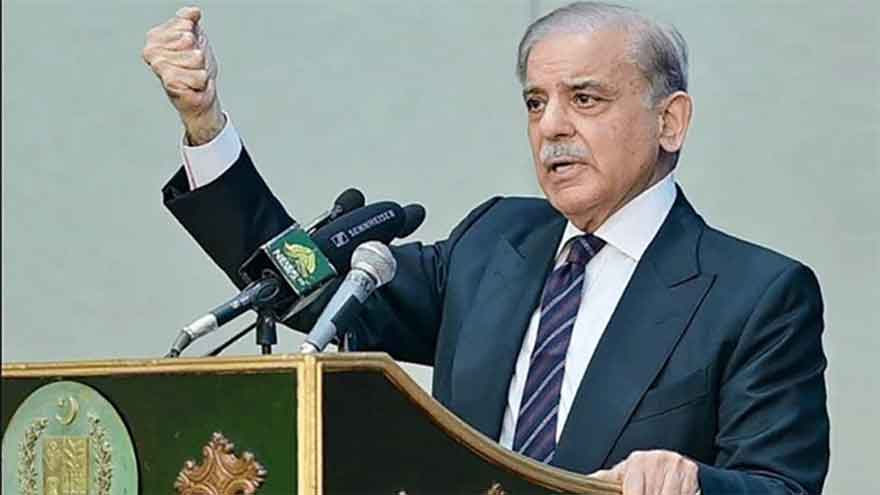
In a significant move aimed at easing financial pressure on households, Shehbaz Sharif has announced that the petrol price has been slashed by Rs80 per litre. This bold decision comes at a time when global oil prices are soaring, placing immense strain on economies worldwide—including Pakistan.
The new petrol price has been set at Rs378 per litre for one month, offering immediate relief to millions of citizens struggling with inflation and rising living costs. But what does this move really mean for the economy, businesses, and everyday consumers? Let’s break it down.
Why Was Petrol Price Slashed by Rs80 per Litre?
Understanding the Global Context
The decision didn’t happen in isolation. According to the prime minister, global oil prices have surged sharply, triggering widespread inflation across both developed and developing economies.
Key contributing factors include:
• Ongoing geopolitical tensions affecting oil supply
• Global inflation trends impacting energy markets
• Currency fluctuations increasing import costs
Even the world’s strongest economies are feeling the heat—so it’s no surprise that Pakistan has been significantly affected.
How Did the Government Manage This Price Cut?
Reduction in Petroleum Levy
The government reduced the petroleum levy by Rs80 per litre, which directly enabled the price drop.
Massive Subsidy Support
Over the past three weeks, the government has:
• Provided Rs129 billion in subsidies
• Used national resources to absorb rising costs
• Prevented full price impact from reaching consumers
This approach shows a short-term relief strategy rather than a structural change in fuel pricing.
What Is the New Petrol Price and Duration?
• New petrol price: Rs378 per litre
• Total reduction: Rs80 per litre
• Effective duration: 1 month
• Implementation: Immediate after announcement
• Review timeline: Expected after one month based on global oil prices and economic conditions
What Additional Relief Measures Were Announced?
Beyond the headline petrol price slashed by Rs80 per litre, the government introduced several targeted subsidies.
Subsidy for Motorcyclists
Motorcyclists—often among the most economically vulnerable—will benefit from:
• Rs100 per litre subsidy
• Focus on low-income daily commuters
This is especially impactful in provinces like Punjab and Sindh, where motorcycles are a primary mode of transport.
Transport Sector Support
To stabilize logistics and passenger costs:
• Freight and commercial vehicles will receive subsidies
• Public transport buses will get Rs100,000 monthly support
This move helps prevent:
• Increased transport fares
• Higher prices of essential goods
Railway Fare Stability
The government confirmed:
• No increase in economy-class train fares
This ensures affordability for millions relying on rail transport for intercity travel.
How Will This Impact Everyday Life?
Immediate Benefits
• Lower commuting costs
• Reduced transportation expenses
• Slight relief in food and goods prices
For Businesses
• Lower logistics costs
• Better pricing stability
• Improved consumer spending potential
Real-World Example
Consider a daily commuter using a motorcycle:
• Before: Paying significantly higher fuel costs
• Now: Saving Rs80 per litre + Rs100 subsidy (if eligible)
Over a month, this can translate into thousands of rupees in savings, especially for low-income workers.
What Are the Pros and Cons of This Decision?
Pros
• Immediate financial relief for citizens
• Supports low-income groups
• Stabilizes transport and logistics sectors
• Helps control inflation temporarily
Cons
• Heavy burden on national budget
• Not sustainable long-term
• Temporary solution (only 1 month)
• May increase fiscal deficit
How Is the Government Handling the Bigger Economic Picture?
The prime minister emphasized that:
• Extensive consultations were held with national leadership
• Meetings took place at the Presidency and Prime Minister’s Office
• Provincial governments were involved in decision-making
Additionally, Ishaq Dar is engaged in diplomatic efforts related to global stability, which may influence oil markets.
What Role Do Global Conflicts Play in Fuel Prices?
Global conflicts significantly impact oil supply chains. The prime minister expressed hope for:
• Early restoration of peace in conflict regions
• Stabilization of global oil markets
Until then, countries like Pakistan must absorb shocks through subsidies and policy adjustments.
Common Mistakes People Make About Fuel Price Cuts
Assuming Prices Will Stay Low
This reduction is temporary, not permanent.
Ignoring Broader Inflation
Fuel prices affect everything—but they’re just one piece of the inflation puzzle.
Overestimating Savings
Actual savings depend on:
• Fuel consumption
• Eligibility for subsidies
• Duration of price cut
Practical Tips for Consumers
To maximize the benefit of this relief:
• Plan fuel usage efficiently
• Use public transport where possible
• Maintain vehicles for better fuel economy
• Track subsidy eligibility programs
FAQs (People Also Ask)
Why was petrol price slashed by Rs80 per litre?
To provide relief amid rising global oil prices and inflation by reducing the petroleum levy.
What is the new petrol price in Pakistan?
The new price is Rs378 per litre for one month.
Who benefits most from this relief?
Low-income individuals, motorcyclists, and transport sector workers.
Is the petrol price reduction permanent?
No, it is a temporary measure for one month.
What subsidy is given to motorcyclists?
Motorcyclists will receive Rs100 per litre subsidy.
Will transport fares decrease?
The aim is to prevent fare increases, not necessarily reduce existing fares.
How much subsidy has the government provided?
Around Rs129 billion in the past three weeks.
Conclusion: Petrol Price Slashed by Rs80 per Litre — Relief with Limitations
The decision by Shehbaz Sharif to implement a petrol price slashed by Rs80 per litre marks a strong short-term intervention to support citizens during difficult economic times.
While the move brings immediate relief, it also highlights deeper economic challenges—ranging from global oil volatility to domestic fiscal pressures. For everyday consumers, the key is to use this window wisely, manage expenses carefully, and stay informed about future policy changes.
As Pakistan navigates this economic phase, such measures may provide breathing room—but long-term stability will depend on broader reforms and global market conditions.
Also Read: