


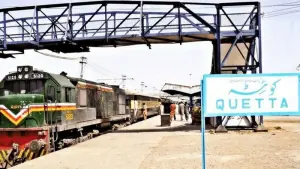
Train services suspended across Quetta division have caused widespread disruption for passengers, traders, and daily commuters across Balochistan. The suspension has once again highlighted the fragile state of transport connectivity in Pakistan’s largest province, where railways serve as a lifeline for long-distance travel and goods movement.
For many residents, trains are not just a convenience but a necessity—connecting remote districts with Quetta and linking Balochistan to the rest of the country. This sudden halt has raised serious questions about infrastructure resilience, security preparedness, and contingency planning.
Here we break down why train services were suspended across Quetta division, who is affected the most, how it compares with past disruptions, and what passengers can realistically expect next.
Why Were Train Services Suspended Across Quetta Division?
The suspension of train services across Quetta division is the result of multiple overlapping factors, rather than a single isolated issue.
1. Security Concerns and Safety Risks
One of the primary reasons cited for suspending train services across Quetta division is passenger safety. Rail routes in parts of Balochistan often pass through remote and sensitive areas, making them vulnerable to security threats and sabotage.
Authorities frequently suspend services as a precautionary measure when intelligence reports indicate potential risks to railway infrastructure or passengers.
2. Damage to Railway Infrastructure
Railway tracks, bridges, and signaling systems in the Quetta division have historically suffered from:
• Poor maintenance
• Extreme weather conditions
• Landslides and soil erosion
• Acts of vandalism
Even minor damage can make train operations unsafe, forcing Pakistan Railways to halt services until inspections and repairs are completed.
3. Operational and Logistical Challenges
Pakistan Railways has also faced:
• Shortage of locomotives
• Fuel supply constraints
• Staff deployment issues
When combined with security and infrastructure problems, these operational challenges often lead to a complete suspension rather than partial operation.
Which Routes and Trains Are Affected?
Train services suspended across Quetta division typically impact both passenger and freight operations.
Major Affected Routes Include:
• Quetta to Lahore
• Quetta to Karachi
• Quetta to Peshawar
• Regional trains connecting nearby districts
These routes are crucial for:
• Students traveling to major cities
• Patients seeking medical treatment
• Traders transporting goods
With services halted, many passengers are forced to rely on long, expensive, and less safe road journeys.
Impact on Passengers: More Than Just Delays
The suspension of train services across Quetta division has a human cost that often goes unnoticed.
Financial Burden
Train travel is significantly cheaper than buses or flights. With trains unavailable:
• Low-income travelers face higher fares
• Daily wage earners lose workdays
• Families struggle with unplanned expenses
Emotional and Social Stress
Passengers report:
• Missed exams and job interviews
• Delayed medical treatments
• Inability to attend family emergencies
For elderly passengers and women traveling with children, road travel is often physically exhausting and unsafe compared to trains.
Economic Impact on Balochistan
Beyond passengers, the suspension has serious economic implications.
Disruption of Trade and Freight
Railways play a key role in transporting:
• Agricultural produce
• Minerals
• Fuel and construction materials
With train services suspended across Quetta division, businesses face:
• Delayed shipments
• Higher logistics costs
• Reduced competitiveness
Impact on Small Businesses
Hotels, vendors, and transport workers around railway stations lose daily income when train operations stop, creating a ripple effect across local economies.
Comparison With Past Railway Suspensions in Quetta Division
This is not the first time train services have been suspended across Quetta division.
Past Patterns Show:
• Suspensions often last days or weeks
• Restoration depends on security clearance
• Limited communication with passengers
Unlike major cities where alternate rail routes exist, Quetta’s isolation makes each suspension far more disruptive.
Government and Pakistan Railways Response
Pakistan Railways and local authorities have stated that:
• Passenger safety remains the top priority
• Services will resume once conditions stabilize
• Track inspections and security clearances are underway
However, critics argue that temporary fixes are not enough and that long-term investment is urgently needed.
What Needs to Change? Expert Insights
Transport and infrastructure experts point to several solutions:
1. Improved Security Coordination
Permanent coordination between:
• Railways
• Law enforcement
• Local administrations
could reduce the need for blanket suspensions.
2. Infrastructure Modernization
Upgrading:
• Tracks
• Signaling systems
• Surveillance
would improve both safety and reliability.
3. Better Passenger Communication
Real-time updates via:
• Mobile alerts
• Official social media
• Station announcements
would reduce confusion and frustration during suspensions.
What Should Passengers Do Right Now?
If train services are suspended across Quetta division, passengers should:
• Confirm updates through Pakistan Railways’ official channels
• Avoid relying on unverified social media rumors
• Consider group travel if using road transport
• Keep emergency contacts and travel documents accessible
FAQs: Train Services Suspended Across Quetta Division
Why are train services suspended across Quetta division again?
Due to security concerns, infrastructure checks, and operational challenges aimed at ensuring passenger safety.
How long will the suspension last?
There is no fixed timeline. Services usually resume after security clearance and track inspections.
Are freight trains also suspended?
In most cases, both passenger and freight services are affected.
Will passengers get refunds for canceled tickets?
Pakistan Railways generally offers refunds or ticket adjustments, but passengers must check official guidelines.
Is road travel a safe alternative?
Road travel is available but can be more expensive and time-consuming. Travelers should use reputable transport services.
Conclusion: A Wake-Up Call for Sustainable Rail Connectivity
The news that train services are suspended across Quetta division is more than a temporary travel inconvenience—it is a reminder of the structural challenges facing Pakistan’s railway system, especially in underserved regions like Balochistan.
While safety must always come first, repeated suspensions underline the need for long-term investment, transparent communication, and modern infrastructure. For the people of Quetta division, reliable train services are not a luxury—they are essential for mobility, economic growth, and social connection.
Until meaningful reforms are implemented, such disruptions are likely to continue, leaving passengers and businesses caught in a cycle of uncertainty.