


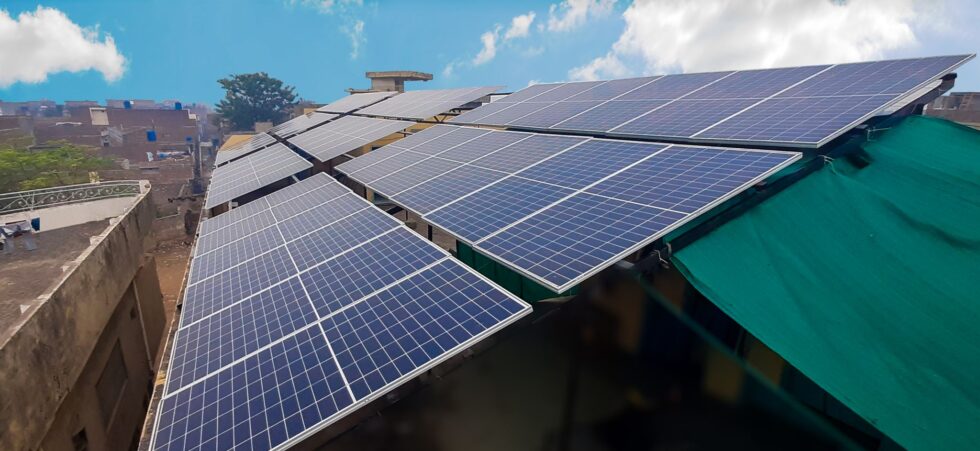
Electricity prices in Pakistan have increased dramatically over the past few years, with reports indicating a rise of more than 150%. This sharp increase has placed immense pressure on households, businesses, and industries across the country. As utility bills continue to climb, many consumers are now turning toward alternative energy solutions—particularly solar power.
This article explores the key reasons behind rising electricity prices, their economic impact, and how solar energy is reshaping Pakistan’s energy landscape.
Why Electricity Prices Are Increasing in Pakistan
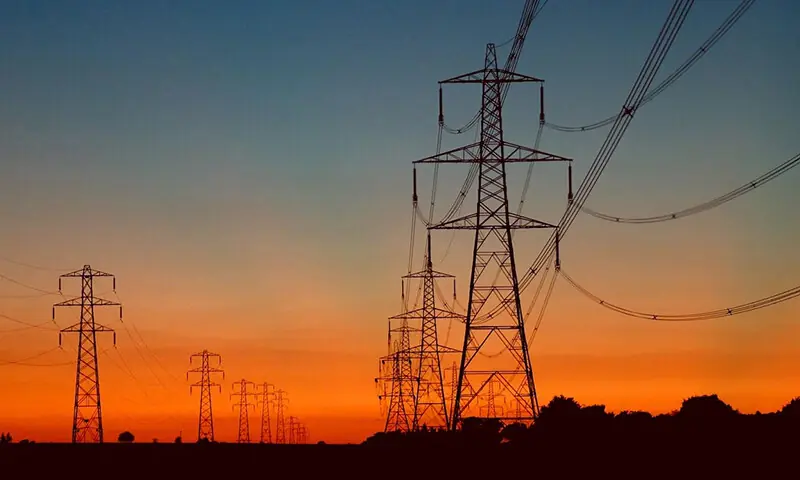
1. Rising Fuel Costs
Pakistan relies heavily on imported fuels such as LNG and oil. Global price fluctuations directly impact electricity generation costs, making power more expensive for consumers.
2. Currency Devaluation
The depreciation of the Pakistani Rupee has significantly increased the cost of fuel imports and capacity payments, which are passed on to consumers through higher tariffs.
3. Capacity Payments
Pakistan pays Independent Power Producers (IPPs) fixed capacity charges—even when electricity is not used. These payments contribute heavily to rising bills.
4. Circular Debt Crisis
The ongoing circular debt issue in the energy sector forces the government to increase tariffs to recover losses, further burdening consumers.
Impact on Consumers and Businesses
The rise in electricity prices has had widespread effects:
- Household budgets are under pressure
- Small businesses face reduced profitability
- Industries experience higher production costs
- Inflation continues to rise
For many, electricity is no longer an affordable necessity—it has become a major financial burden.
The Shift Toward Solar Energy in Pakistan
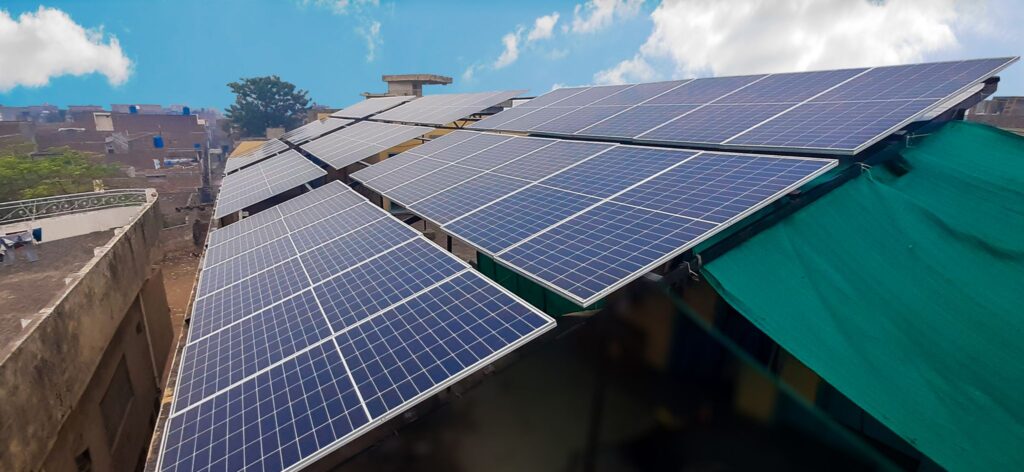
As electricity costs rise, solar energy is becoming an attractive alternative.
- Why Solar Adoption Is Increasing
- Long-term cost savings
- Reduced dependence on grid electricity
- Net metering benefits
- Falling solar panel prices
Pakistan has seen a significant increase in residential and commercial solar installations, especially in urban areas.
Solar energy offers a long-term solution, but it comes with initial investment challenges.
Pros:
- Lower electricity bills
- Energy independence
- Environmentally friendly
Cons:
- High upfront cost
- Maintenance requirements
- Dependency on sunlight
Despite these challenges, solar remains one of the most viable solutions for combating rising electricity costs.
Future of Electricity in Pakistan
Pakistan’s energy future depends on:
- Policy reforms
- Renewable energy adoption
- Reduction in circular debt
- Improved energy efficiency
If current trends continue, more consumers will shift toward solar and other renewable sources.